Home / Blog / Building Roads, Shaping Futures: Inside Roadway Engineering
Building Roads, Shaping Futures: Inside Roadway Engineering
Posted on August 6th, 2025
by Jacob Sparkowich
in Careers, Traffic, Transportation
Building Roads, Shaping Futures: Inside Roadway Engineering
Highway or roadway engineering is a multifaceted field that encompasses various aspects of civil engineering, from designing roadways to ensuring safe and efficient traffic flow. In this blog, I’ll share insights into what a typical day looks like, the software I use, the variety of projects I work on, and some valuable advice for aspiring engineers.
What to Expect During a Typical Day
Daily Tasks & Responsibilities
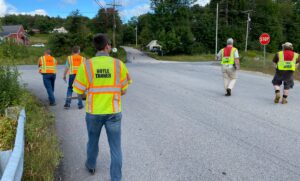
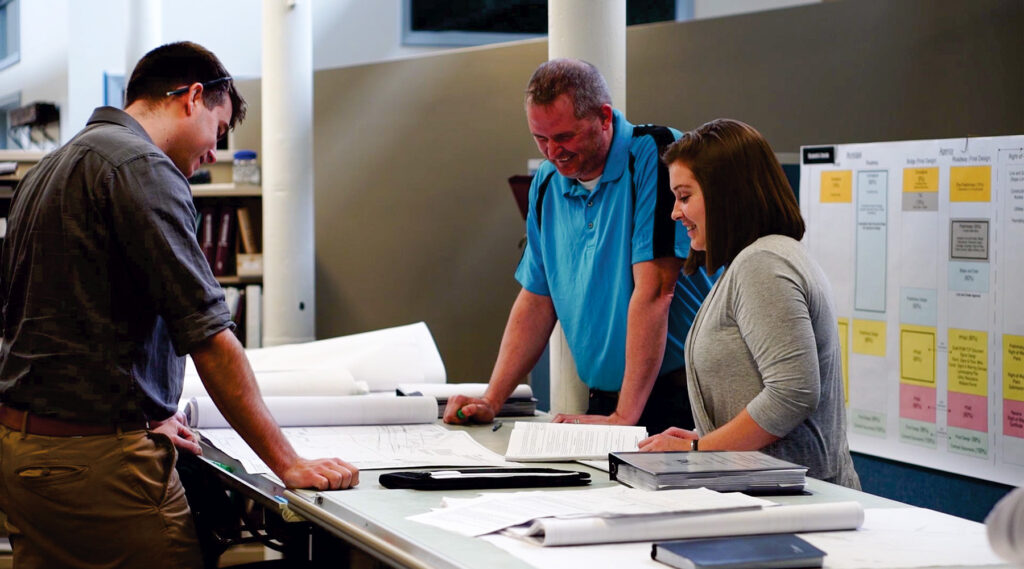
As a highway engineer, a typical day can vary significantly based on experience level. When I was a younger engineer, I focused on the technical aspects of design, such as developing roadway alignments, calculations for pavement thickness and guardrail layout, and designing drainage systems. I also did much of the drafting and 3D modeling to visualize the impacts of the design. Now, as a more experienced engineer, I spend more time reviewing and checking the work of junior engineers, ensuring that designs not only meet technical requirements but also align with project goals and client expectations.
Software: I rely on a range of software tools to perform my tasks. Key software includes:
MicroStation and OpenRoads: For drafting and 3D modeling.
Synchro, SimTraffic, and SIDRA: For traffic analysis.
HydroCAD: For drainage analysis.
Project Locations & Variety
My work primarily involves projects in New Hampshire, with occasional projects in Maine and Massachusetts. The projects range from state Department of Transportation initiatives to municipal projects, providing a diverse array of challenges and learning opportunities. This variety ensures that no two projects are the same, keeping the work both dynamic and engaging.
Important Aspects of the Job
Highway engineering is not just about technical design; it also involves significant coordination with our environmental permitting teams and developing cost estimates and contract specifications. I must be aware of the environmental impacts of my designs and work closely with specialists to ensure compliance with regulations. Additionally, technical writing is crucial, as I often need to produce detailed reports and studies.
Advice for Aspiring Engineers
For those considering a career in civil engineering, be open.
Seek Diverse Experiences: Try to gain exposure to different areas of civil engineering to find what interests you most. Internships and job shadowing can provide practical insights.
Develop Technical Writing Skills: Being able to communicate your ideas clearly in written form is essential, as technical reports are a significant part of the job.
Stay Open to Learning: The field is constantly evolving, and staying up-to-date with the latest tools and techniques is important for success.
Why it’s Rewarding
Highway engineering is a rewarding career that combines technical expertise with creative problem-solving. This field covers a wide range of engineering facets: it involves fluid dynamics for stormwater design; materials and geotechnical aspects for designing pavement and road boxes; and a significant amount of contextual engineering judgment. While the AASHTO Green Book provides guidelines for safe design, engineers often need to make decisions that go beyond these guidelines to optimize for factors like impacts to properties and the environment and to manage construction costs.
Highway engineering is diverse and involves more than just designing roads; it requires a holistic approach to meet project needs effectively.
Whether you’re designing a new roadway or improving traffic flow, the impact of your work is tangible and significant. If you’re passionate about making a difference in transportation infrastructure, this might be the perfect field for you.
Jacob is a transportation engineer for the Ground Transportation Division out of our corporate headquarters and has been with Hoyle Tanner for most of his career. He earned his Bachelor of Science in Civil Engineering at the University of New Hampshire. Jacob currently serves as the Treasurer and Secretary for the New Hampshire chapter of the Institute of Traffic Engineers (NHITE). He spends his free time playing disc golf, camping with friends, or hiking in New Hampshire’s White Mountains.
We are excited to welcome back Nicole Crawford, PE to Hoyle Tanner as an Aviation Project Manager! Nicole brings more than 15 years of aviation and transportation engineering experience,...
Meet David Vitali, PE - Airport Engineer & Groove Alchemist What drew you to Hoyle Tanner? Ultimately, it came down to the people and how much the company values...
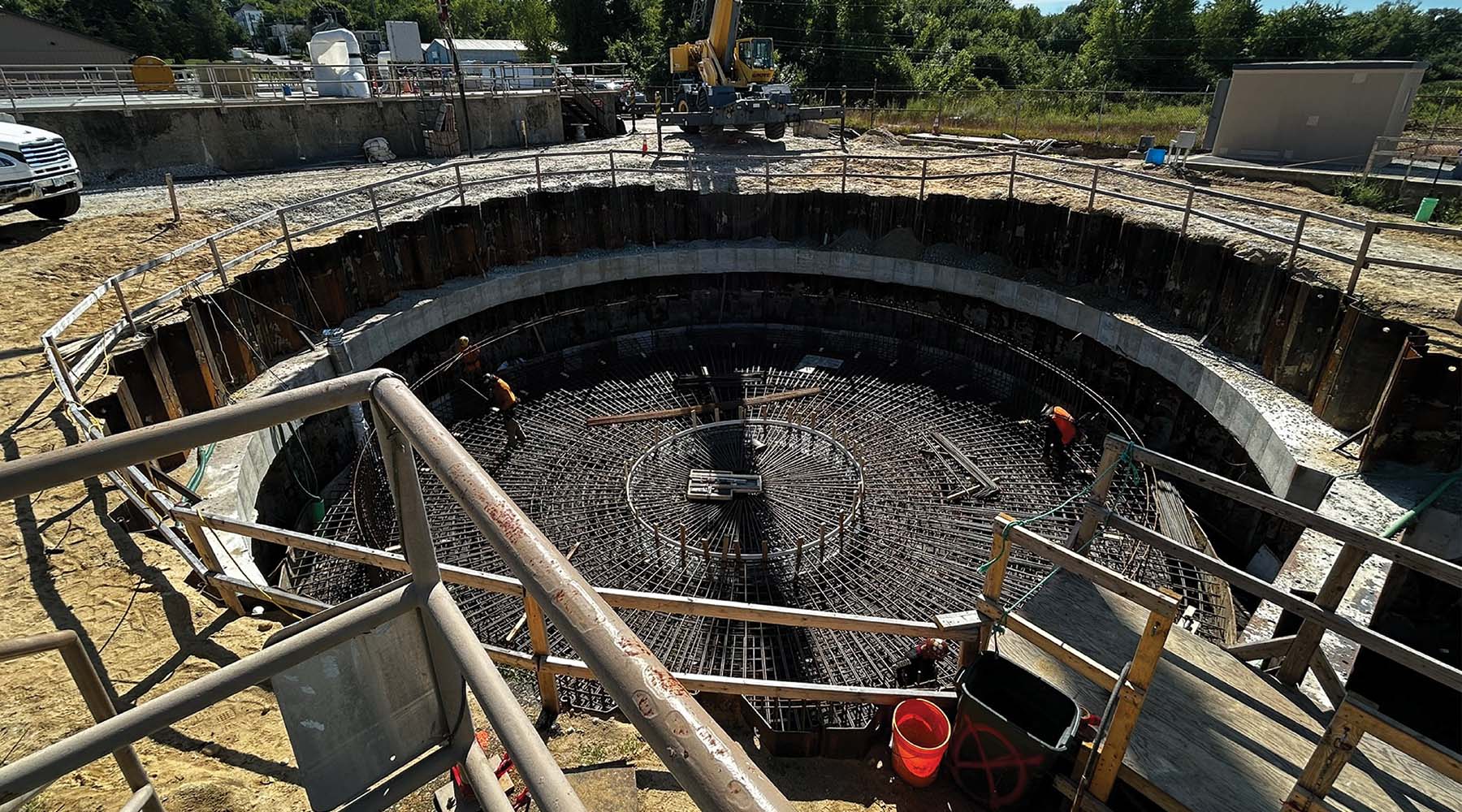
Protecting Water Quality for Two Communities & the Merrimack River Watershed Construction is underway on major improvements to the Allenstown Wastewater Treatment Facility, marking an important milestone in a...
Across New England, communities are managing the same underlying challenges: aging water and wastewater systems, increasing regulatory expectations, rising costs, and limited staff capacity to move projects forward. State...
Hoyle Tanner is proud to recognize David Jeffery for recently earning his Licensed Land Surveyor (LLS) credential in New Hampshire! Based in our Concord, New Hampshire office, Dave serves...
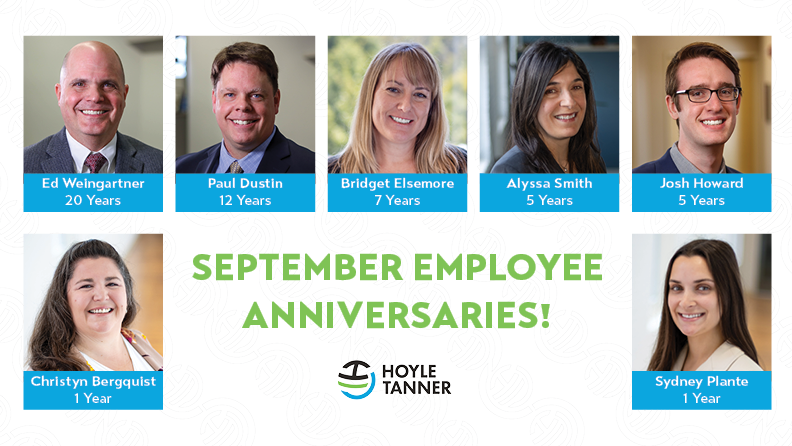
This month, we celebrate team members marking work anniversaries and recognize a combined 51 years of dedication to Hoyle Tanner. We thank you for your hard work and the impact you make every day.
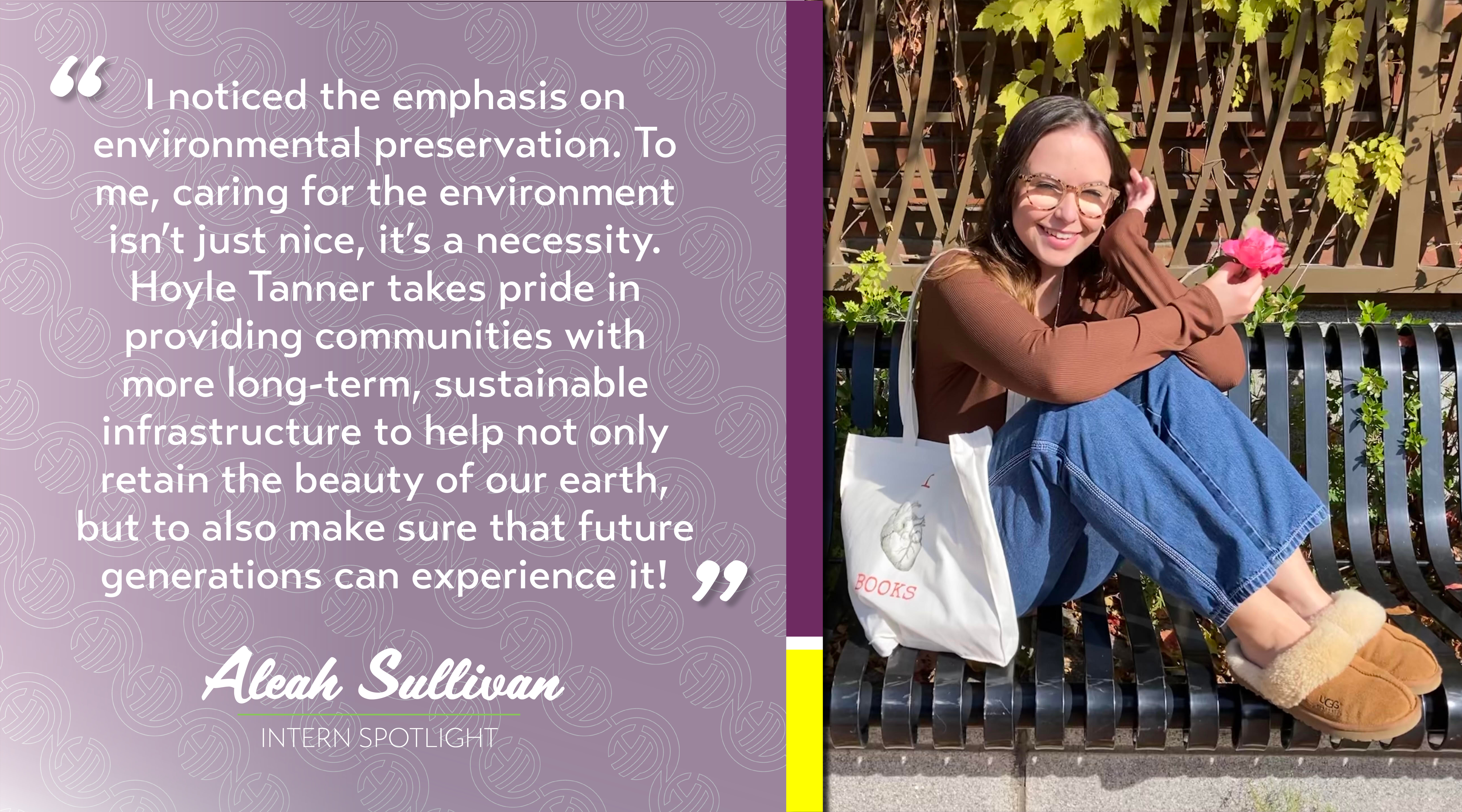
Meet Aleah Sullivan – Marketing Intern & Trail Trekker What drew you to Hoyle Tanner? I noticed the emphasis on environmental preservation. To me, caring for the environment isn’t...
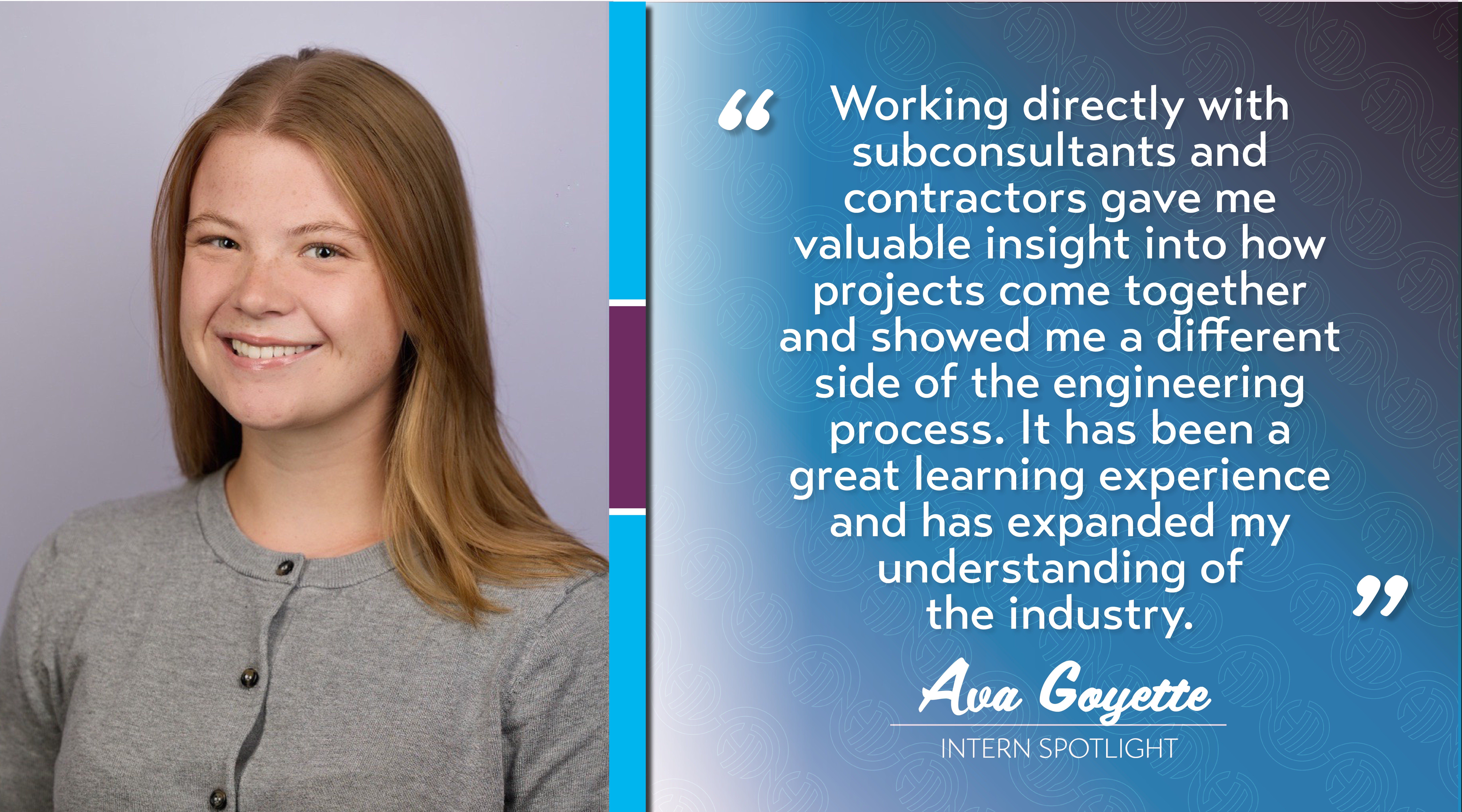
Meet Ava Goyette – Ground Transportation Intern & Big-City Dreamer What drew you to Hoyle Tanner? I was drawn to Hoyle Tanner because of its strong company culture and...
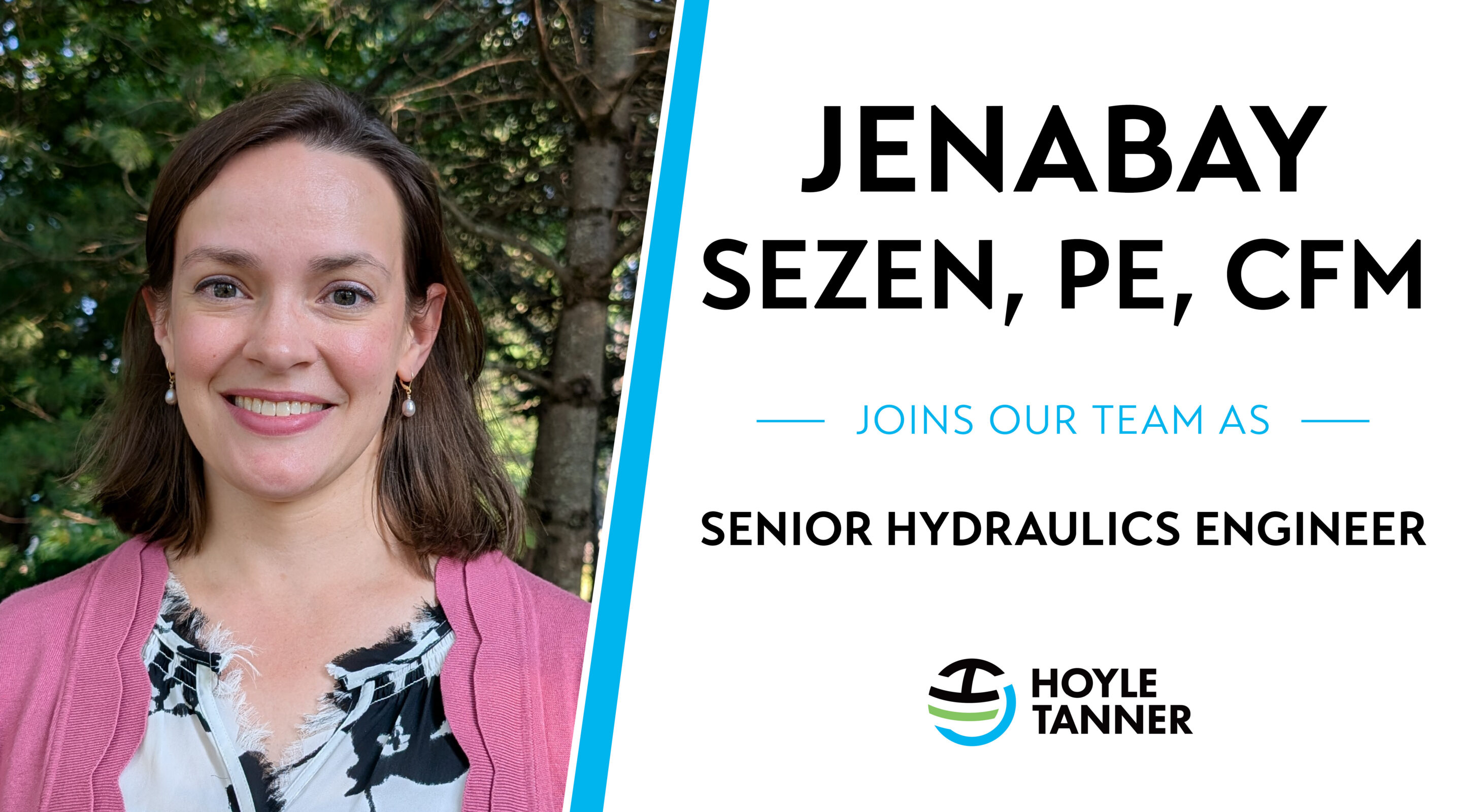
At Hoyle Tanner, we are excited to welcome Jenabay Sezen, PE, CFM, as a Senior Hydraulics Engineer in our Ground Transportation Division! With more than a decade of experience...