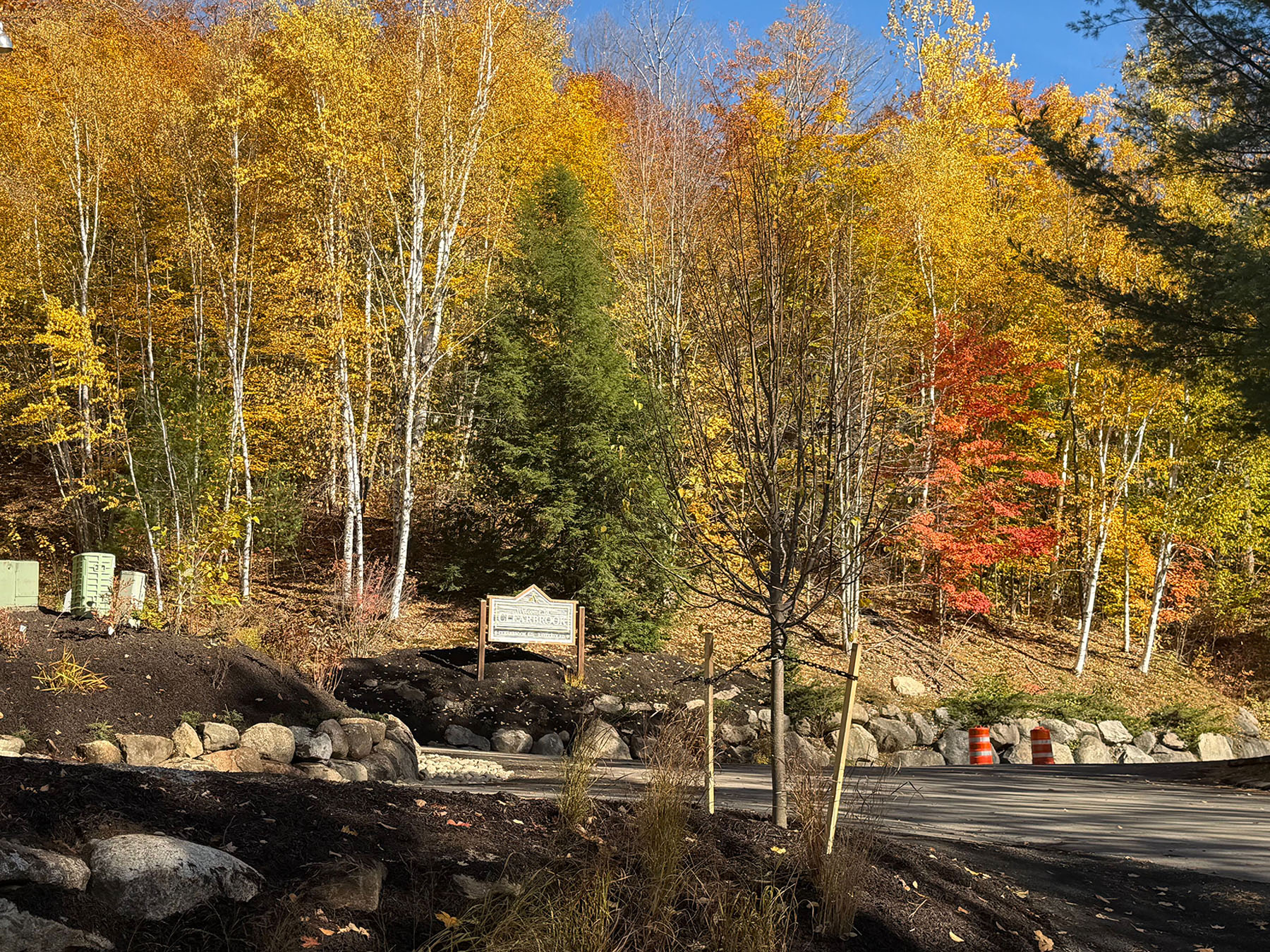
Infrastructure improvements continue at Clearbrook Condos, a 240-unit condominium community in Lincoln, NH, located across the river from Loon Mountain Ski Resort. What started as a conversation about aging infrastructure has grown into a multi-phase effort focused on improving reliability, safety, and the long-term performance of the community’s roadways, drainage systems, and utilities.
Listening First, Then Planning Ahead
The project began when the homeowner association identified concerns with drainage and roadway conditions throughout the property. To better understand those concerns, the project team worked closely with residents through surveys and site visits before completing an engineering assessment and developing a plan for improvements.
That early collaboration helped ensure the project reflected the priorities of the community while creating a clear path forward for addressing aging infrastructure.
A Phased Approach to Minimize Disruption
Because the community includes both homeowners and vacation properties, phasing became an important part of the project strategy. The work was divided into two phases to help manage costs while limiting disruption to residents, visitors, and ongoing property maintenance activities.
Phase One was substantially completed during the previous construction season and included roadway improvements that provided a stable surface through the winter months. The final phase will conclude with placement of the finished pavement surface across approximately 11,000 linear feet of roadway.
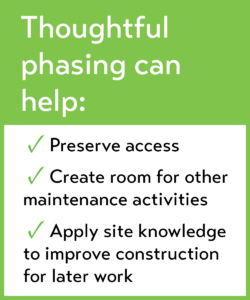
The phased approach also allowed construction activities to be concentrated on one area of the property at a time, helping maintain access and improve coordination throughout the project. For communities planning similarly disruptive work, phasing can do more than spread costs. It can preserve access, create room for other maintenance activities, and give the project team an opportunity to apply lessons from early construction to later work.
Infrastructure That Had Reached the End of Its Service Life
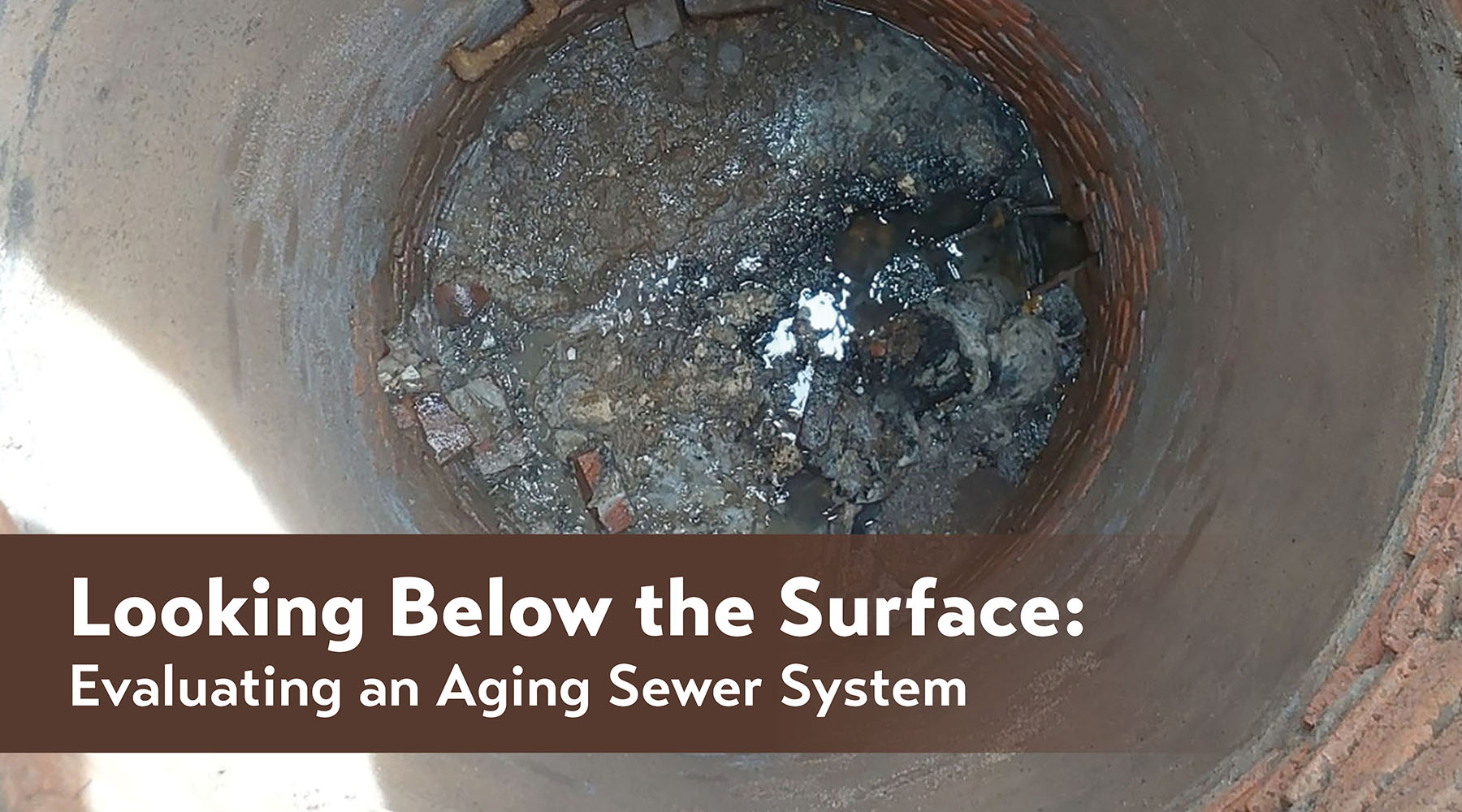
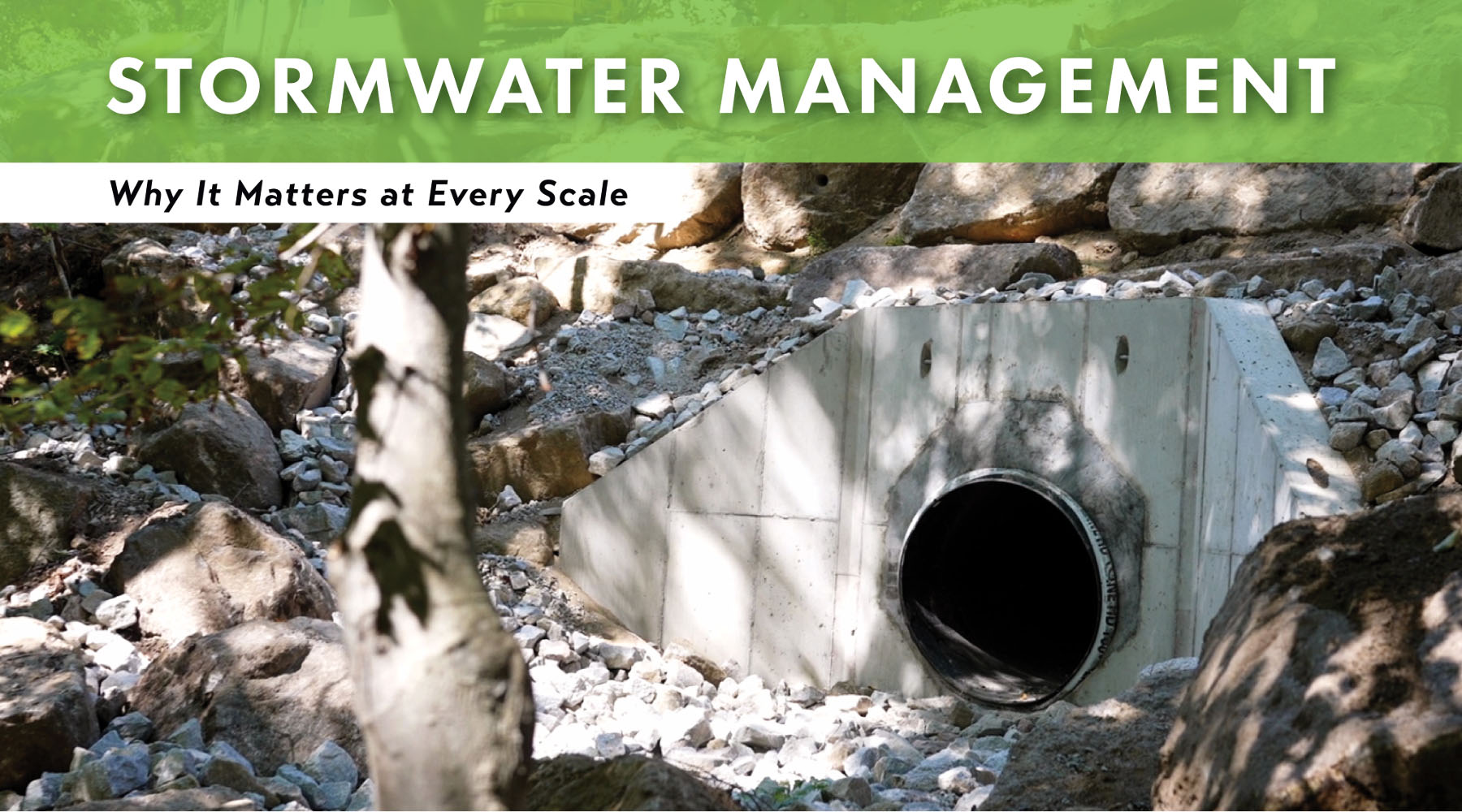
Many of the community’s drainage systems had deteriorated over time, including corrugated metal pipes that were rusting and failing. The project has focused on replacing those aging systems with upgraded infrastructure, including HDPE piping, concrete headwalls, catch basins, and culvert improvements.
Stormwater management improvements have also included roadway regrading, roadside swales, riprap stabilization, and enhanced drainage controls designed to better manage water throughout the site.
Roadway reconstruction has incorporated recycled asphalt as a base material, improving durability while supporting a more sustainable approach to construction. Additionally, new guardrails, hydrant upgrades, and site utility improvements have strengthened safety and infrastructure reliability throughout the community.
Solving Challenges in the Field
As is often the case with older infrastructure systems, construction revealed conditions that were not fully known at the start of the project. Unknown underground utilities and aging infrastructure required ongoing coordination among the homeowner association, property management team, contractor, and design team.
One significant challenge involved a large drainage pipe located beneath existing infrastructure. Rather than replacing the pipe and impacting nearby facilities, the team used cured-in-place lining to rehabilitate the structure while preserving surrounding improvements.
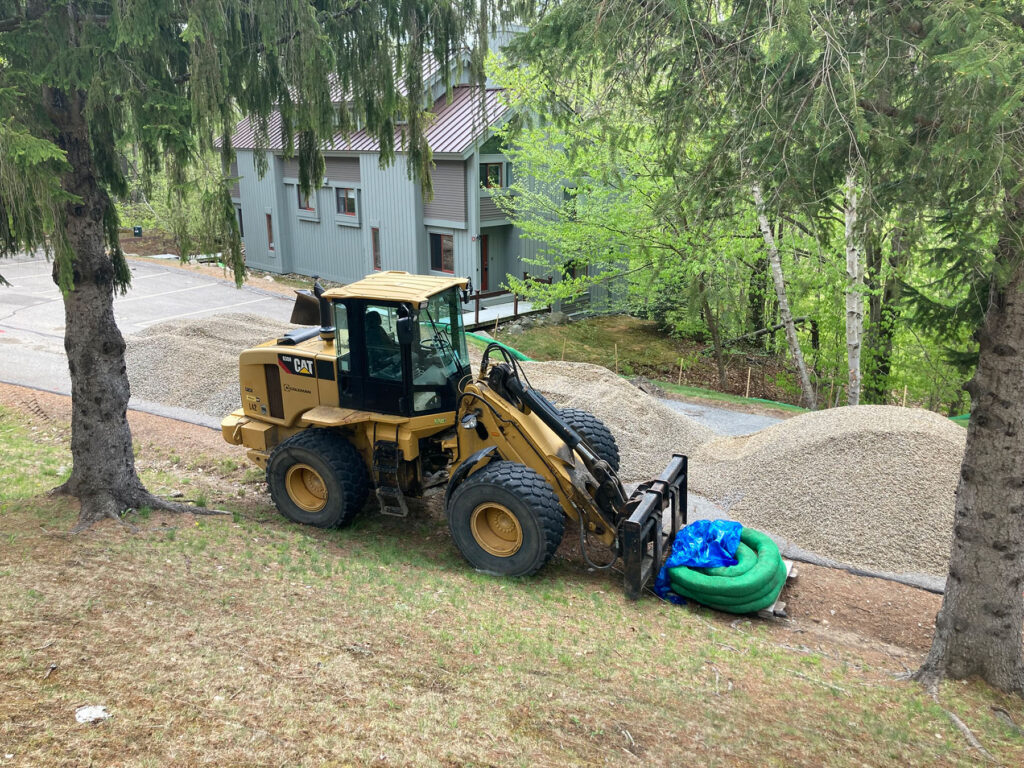
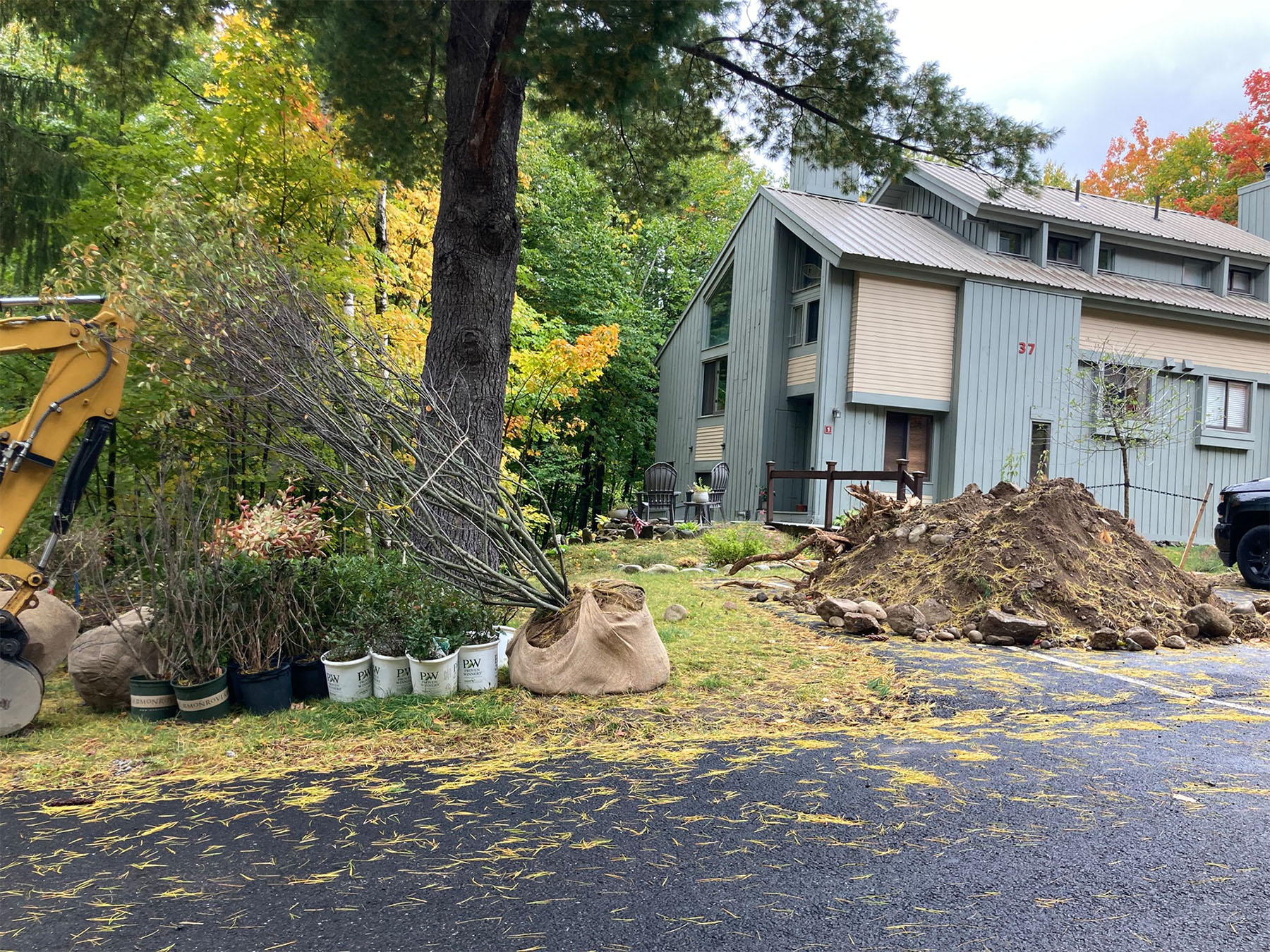
The project also successfully navigated permitting requirements, wetland considerations, and construction adjustments that emerged throughout the process. Regular communication and on-site coordination helped keep work moving forward while responding to changing field conditions.
Keeping the Community Informed
The first phase also reinforced that sending information is not always the same as preparing people for disruption. Email and website notices helped share the schedule, but some residents and renters did not fully understand when work would affect their specific parking areas. During the second phase, the team explored more direct, location-specific notices to give occupants clearer advance warnings.
For projects in occupied communities, effective communication should answer three practical questions: What is happening, exactly who will be affected, and what do they need to do before work begins?
What We Learned
Looking back, some of the biggest lessons had less to do with drainage structures and pavement and more to do with coordination. The more information we could provide residents before work reached their area, and the quicker field decisions could be made when unknown conditions were uncovered, the smoother construction went. Those lessons continue to shape how we’re approaching the final phase of work.