The goal of this project was to provide a local construction company with accurate ground contours of a lumberyard to design improved stormwater drainage. Using a small unmanned aerial system (sUAS), more commonly known as a drone, Hoyle Tanner collected aerial photogrammetry data and created topographic contours and other site-related features for the approximately 7-acre site. The deliverables included individual, still high-quality photos and a point cloud generated 3D model of the topographic and manmade features of the site.
Utilizing GPS based ground control to tie the imagery to ground elevation, the sUAS was flown at 150’ altitude in 20 minutes resulting in 720 high resolution photos that were further processed to create 3D imagery with approximately 0.5’ contour data accuracy. That data was also imported into computer aided design software for further site analysis and design development to improve drainage and eliminate rutting issues. By utilizing the sUAS for conceptual design, the construction company was able to significantly reduce the survey time required for the project.
SERVICES
2D & 3D Orthophotos
Ortho Photo Mosaic
Data Collection
Airport Planning
Design
From the blog
Learn about ongoing projects and the innovative processes we employ for our clients.
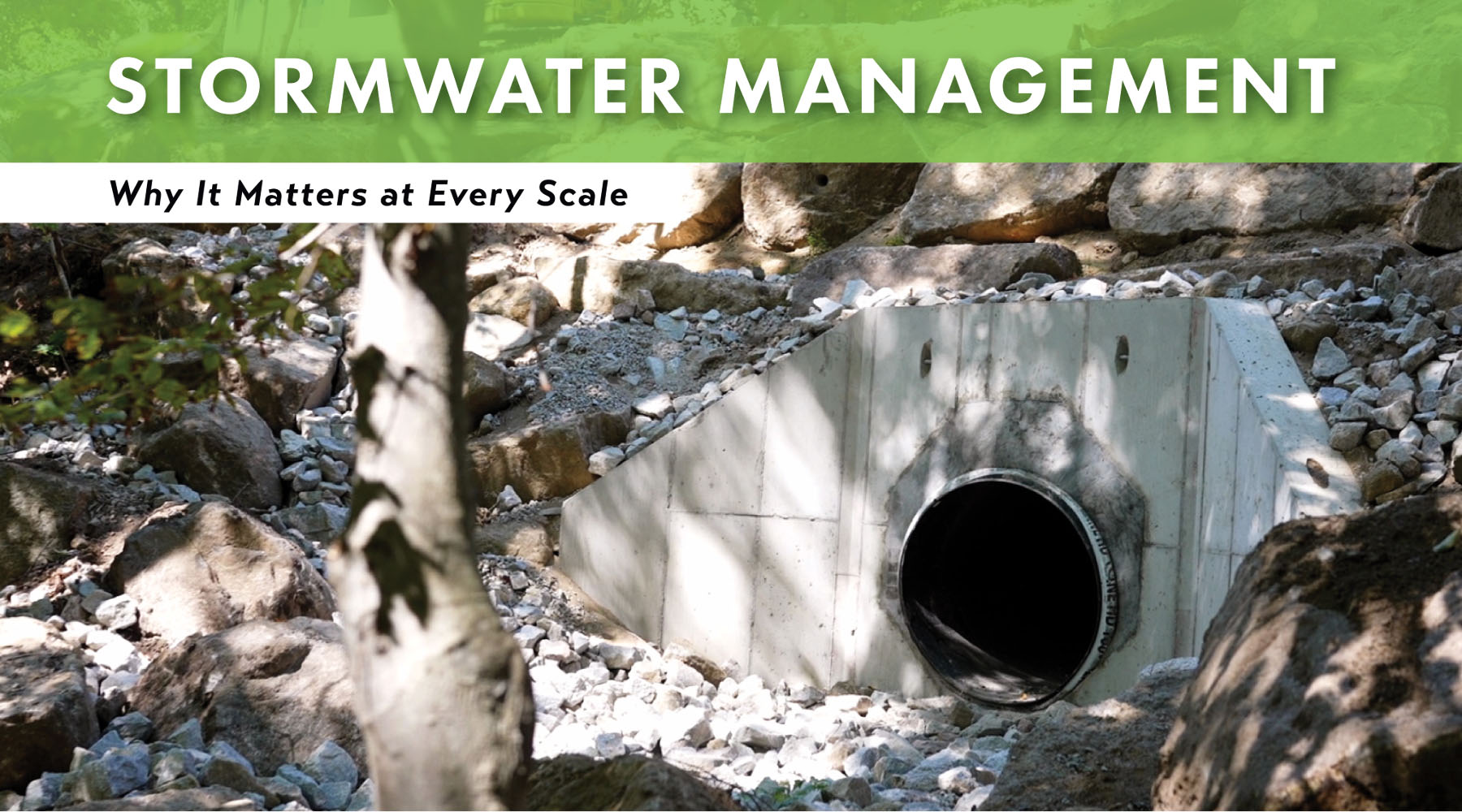
Stormwater is one thing people rarely think about until there is a problem. A flooded roadway, a washed-out culvert, standing water in a neighborhood, erosion along a streambank, or...
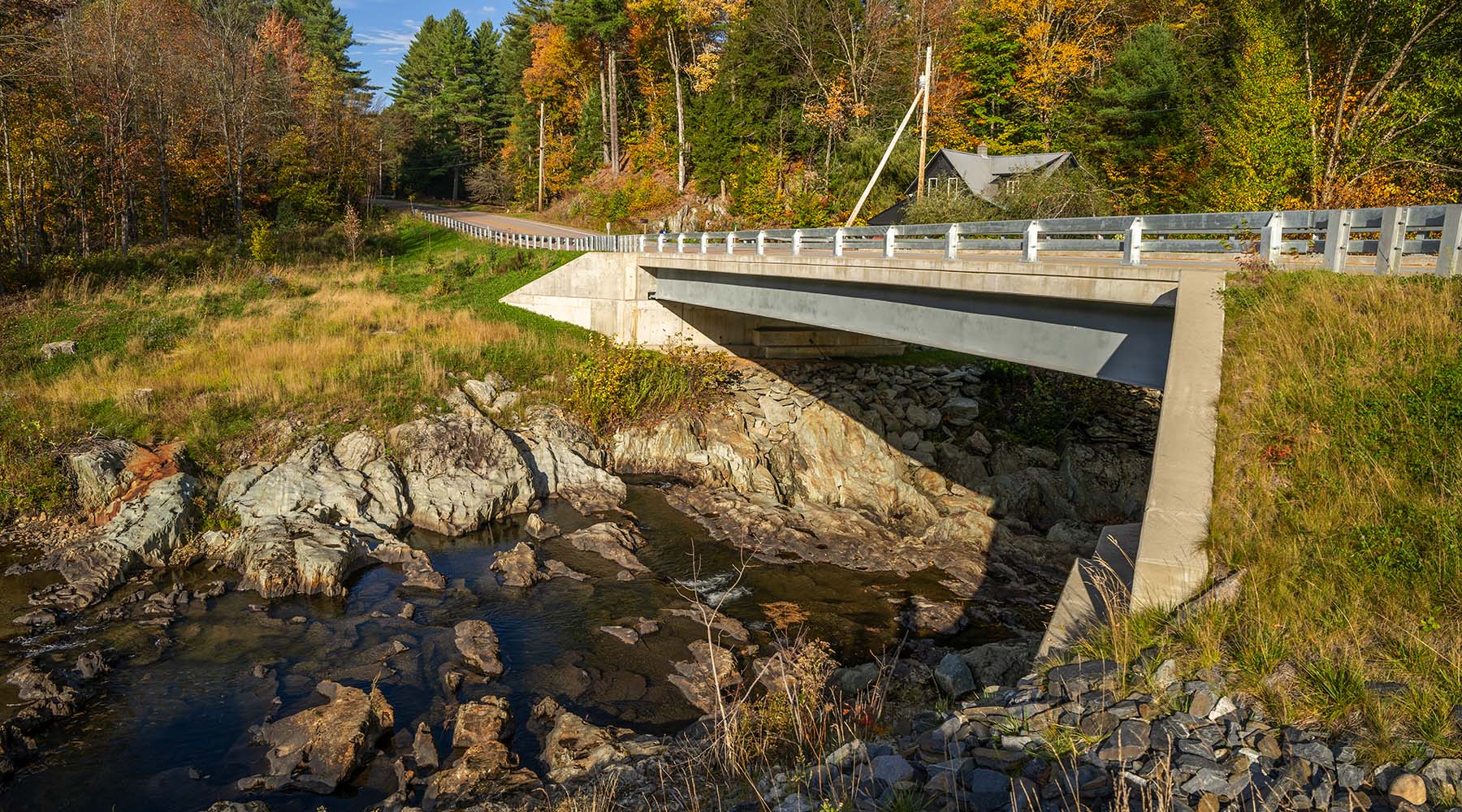
The Worcester-Elmore Route 12 Bundled Bridges Project has received the 2026 Northeastern Transportation and Wildlife Conference (NETWC) Innovation – Transformation Award. The recognition reflects an approach that treated bridge...
Meet Riley Pantalena – Airport Engineer & Irish Dancer What drew you to Hoyle Tanner? My decision to attend UVM in Burlington was definitely my starting point for ending up...
Join us in celebrating the employees marking work anniversaries this month. Together, they represent 78 years at Hoyle Tanner, bringing their experience, knowledge, and unique contributions to the firm every day.
As Bradley International Airport advances its long-term airfield improvement program, the Taxiway T extension is helping position the airport for safer and more efficient operations while supporting future growth....
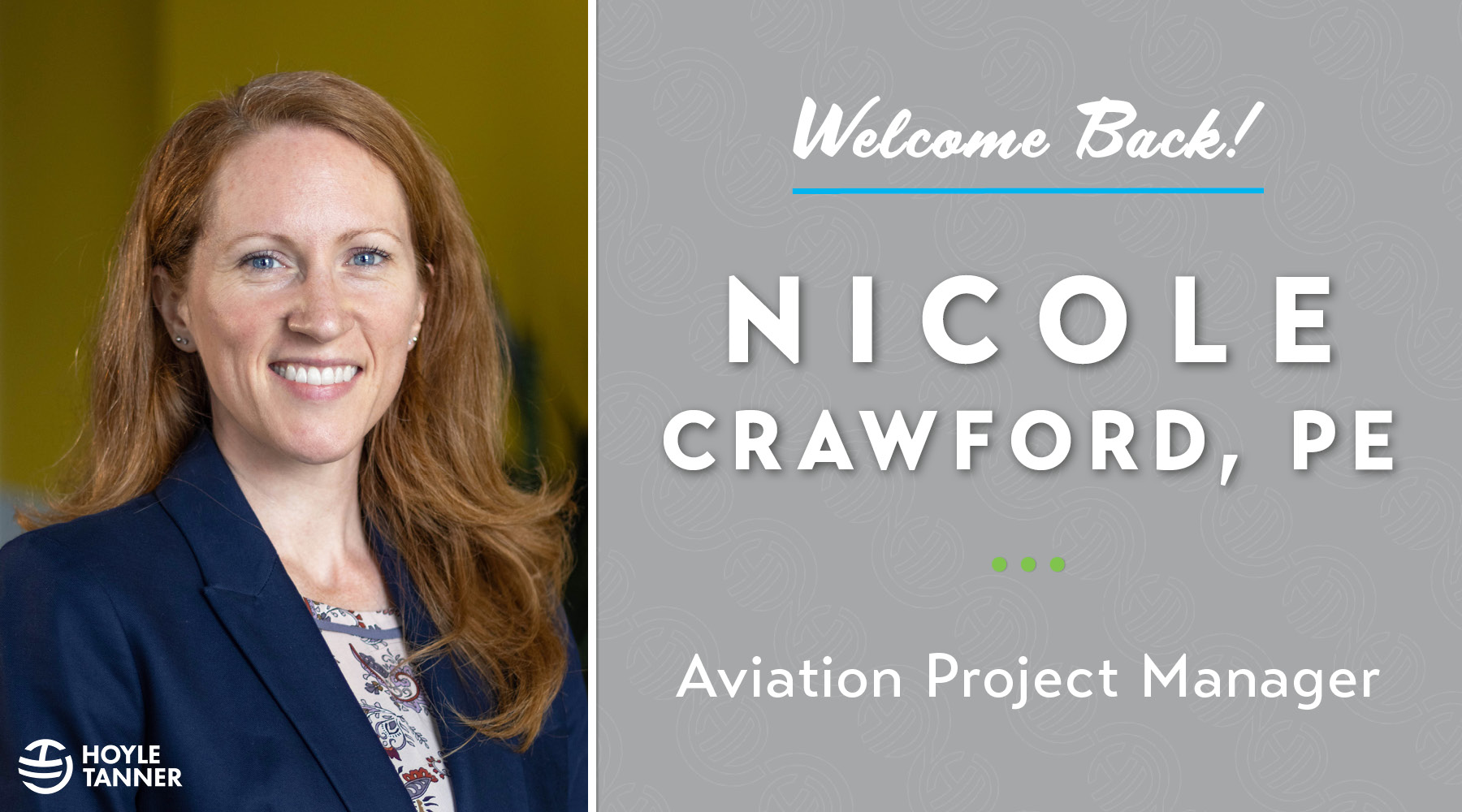
We are excited to welcome back Nicole Crawford, PE to Hoyle Tanner as an Aviation Project Manager! Nicole brings more than 15 years of aviation and transportation engineering experience,...
Meet David Vitali, PE - Airport Engineer & Groove Alchemist What drew you to Hoyle Tanner? Ultimately, it came down to the people and how much the company values...
Protecting Water Quality for Two Communities & the Merrimack River Watershed Construction is underway on major improvements to the Allenstown Wastewater Treatment Facility, marking an important milestone in a...
Across New England, communities are managing the same underlying challenges: aging water and wastewater systems, increasing regulatory expectations, rising costs, and limited staff capacity to move projects forward. State...