One of the project’s biggest challenges had nothing to do with the bridge itself.
US Route 1 is an important connection between Yarmouth and Freeport. Closing it during construction would have disrupted residents, businesses, commuters, and visitors.
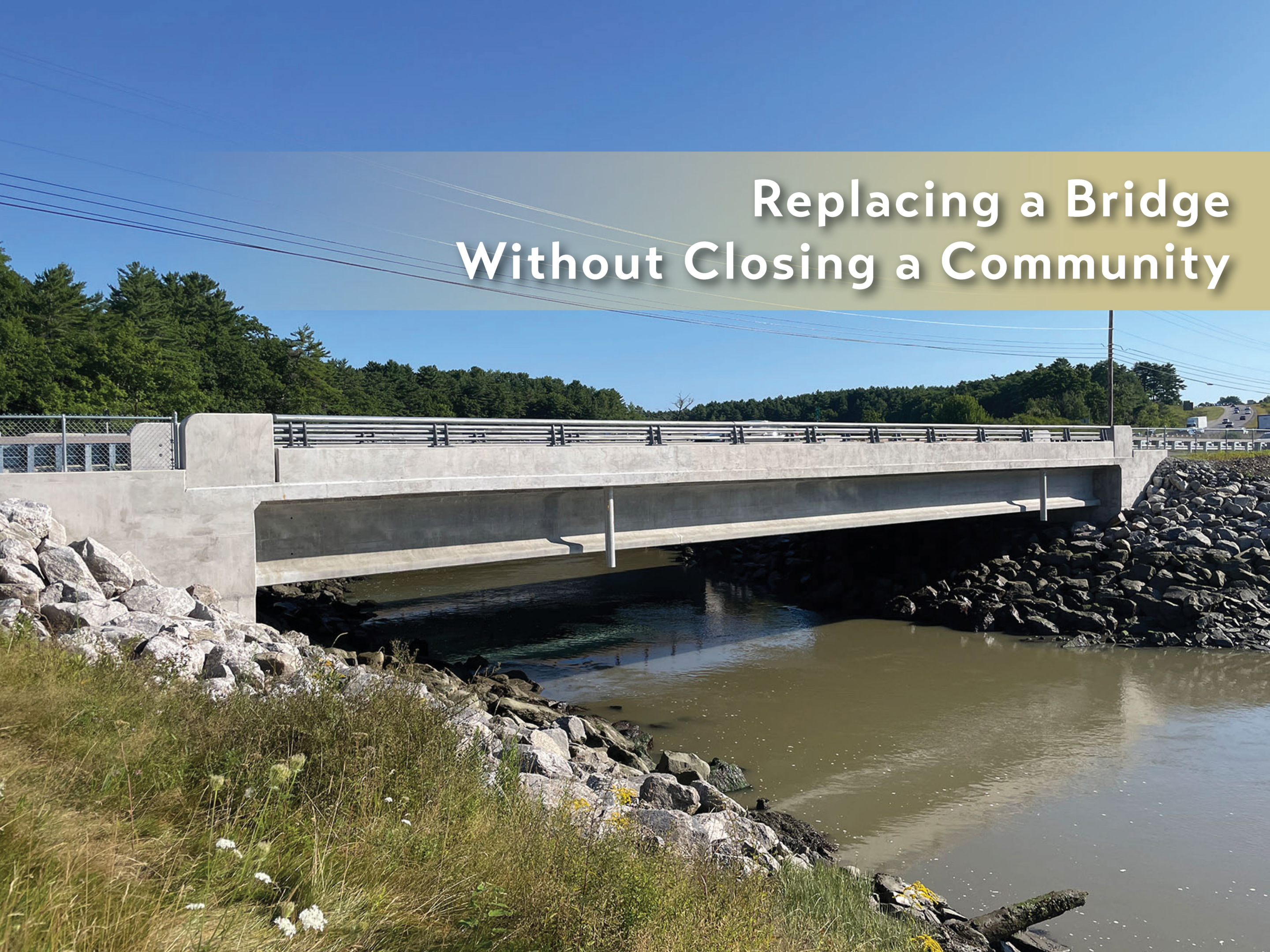
Instead, the project team developed a phased construction approach that kept traffic moving throughout the replacement. By shifting the bridge alignment, crews could build portions of the new bridge while the existing structure remained in service and avoid impacts to existing businesses. Once enough of the new bridge was complete, traffic shifted onto it, allowing crews to remove the old bridge and continue construction.
Community input also helped shape the approach. Stakeholders emphasized the importance of summer tourism and business activity, so temporary one-lane traffic operations were scheduled during the winter months instead.
Designing for the Future
Keeping traffic moving was only one priority. The project also had to prepare the corridor for changing climate conditions.
Like many coastal communities in Maine, Yarmouth and Freeport are beginning to experience the effects of rising seas and stronger storm events. The new bridge was designed with those conditions in mind, including a raised roadway profile to better accommodate future flood elevations.

But raising the roadway created another challenge below the surface.
The site sits on deep deposits of soft clay. Raising the roadway meant adding weight to soils that were already prone to settlement. Rather than relying on a traditional approach that would have required additional time and space, the team used a lightweight filling material to reduce pressure on the underlying soils while still achieving the necessary elevation.
Most drivers will never notice that solution, and that’s the point. Good infrastructure often works quietly in the background.
More Than a Bridge

The project was also shaped by the people who use the corridor every day.
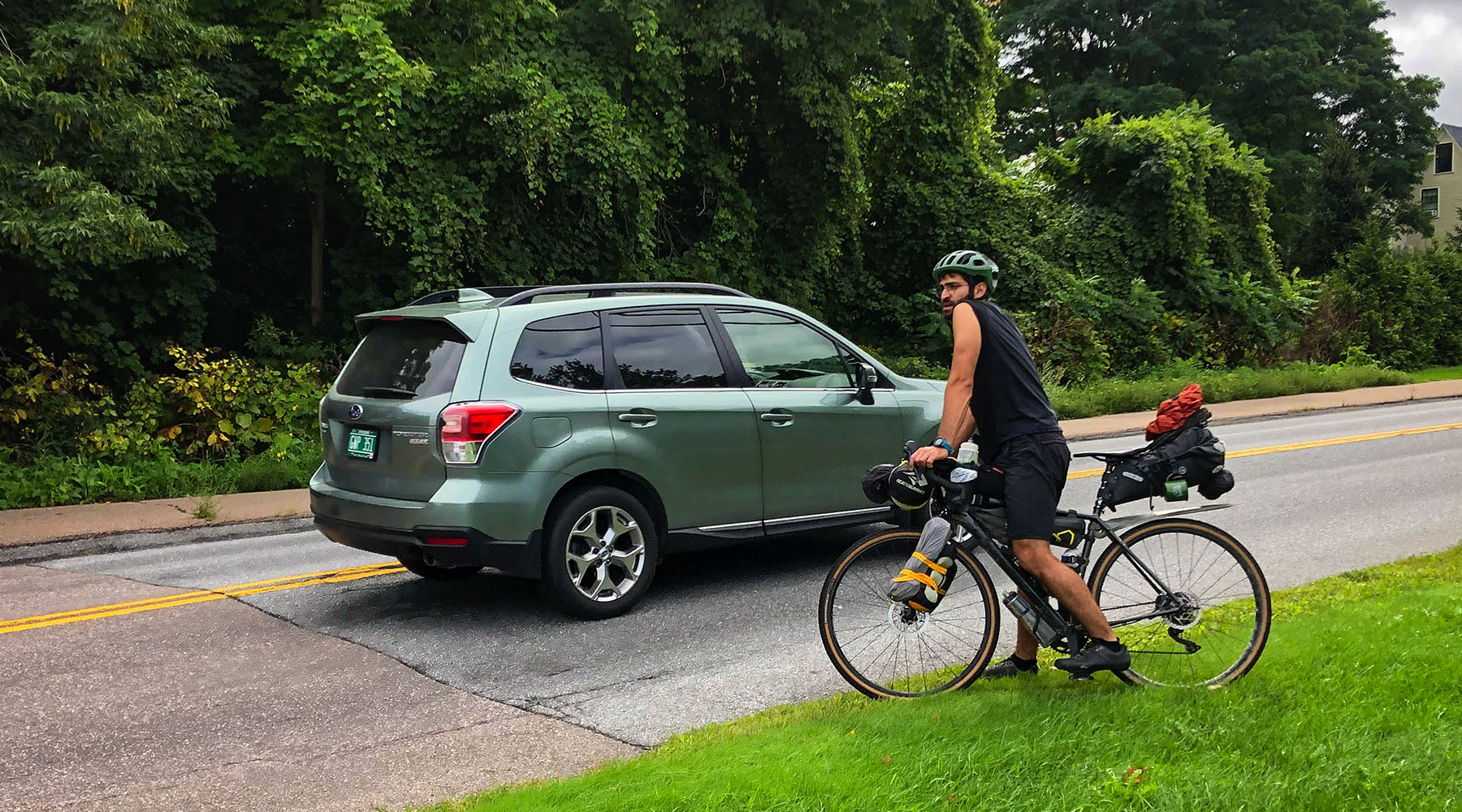
Working with MaineDOT, local officials, businesses, residents, and bicycle advocates, the team developed a solution that did more than replace an aging bridge. The project maintained access to nearby businesses, minimized impacts to adjacent properties, and added a 10-foot-wide multi-use path connecting Yarmouth and Freeport as part of the growing regional trail network.
In the end, the success of the Cousins River Bridge project wasn’t defined by a single engineering solution.
It came from balancing competing priorities: maintaining traffic, supporting local businesses, improving safety, preparing for future conditions, and creating better connections between communities.
That’s often the reality of infrastructure projects.
The challenge isn’t simply building something new. It’s finding a solution that works for everyone who depends on it.