Jon Olin accepts the award for the bundled bridge project.
Vermont Route 12 winds through the steep, forested terrain of Worcester and Elmore, providing an important north–south connection for residents, businesses, emergency services, and visitors. Along an approximately 8.5-mile stretch of the corridor, five aging structures needed replacement. Each site presented a different combination of structural condition, hydraulic limitations, shallow bedrock, steep slopes, environmental resources, and limited space for construction.
Rather than advance the sites as isolated projects, the Vermont Agency of Transportation (VTrans) bundled the five replacements into a coordinated program. Hoyle Tanner developed the designs with consistent standards, staggered schedules, and shared project controls while responding to the distinct needs of Bridges 84, 87, 89, 90, and 94. The bundled approach created efficiencies in design and construction, supported accelerated delivery, and helped maintain progress across a complex, multi-year effort.
Designing for Movement Below the Roadway
Road-stream crossings can interrupt wildlife movement when long, narrow pipes, steep grades, exposed approaches, or physical barriers restrict safe passage and habitat connectivity. The Staying Connected Initiative (SCI) identified this region of central Vermont as a significant habitat block within its broader study area. From the outset, the design team worked closely with VTrans environmental specialists and wildlife experts to understand how each Route 12 crossing could better support aquatic and terrestrial movement for species ranging from turtles to moose.
Three-dimensional modeling helps project teams visualize bridge, channel, and site conditions as they evaluate and coordinate potential design solutions. Rendering above is of Bridge 90 (wildlife benching included in final typical bridge section).
Bridge 90: Restoring a Natural Passage
At Bridge 90 in Elmore, the project replaced an approximately 200-foot-long, 6-foot-diameter corrugated metal pipe with a 40-foot-long single-span bridge. The new opening allowed the team to re-establish a more natural stream channel and create improved passage beneath the roadway. Three-dimensional modeling helped the team communicate the proposed channel and wildlife-crossing improvements, coordinate the design, and evaluate how the reconstructed stream would fit within the constrained site.
Bridge 87: Guiding Smaller Animals to Safety
At Bridge 87 in Worcester, a 19-foot-wide box culvert was designed with a protected under-crossing and j-hook wildlife fencing. The fencing helps direct smaller terrestrial animals toward the structure instead of continuing along the roadway edge. This low-cost addition to the project represents how small design changes can yield big benefits to wildlife connectivity and traffic safety. The feature demonstrates how modest, carefully coordinated details can make a transportation investment more effective for wildlife connectivity.
Bridge 84: Designing with Species-Specific Insight
Bridge 84 crosses the North Branch of the Winooski River in the heavily forested Worcester Mountain Range. Here, the project team coordinated with environmental specialists, including a herpetologist who tracked rare reptile species before, during, and after construction. The resulting design incorporated custom features intended to support safe passage and preserve habitat connectivity beneath the bridge while also improving roadway geometry and replacing a deteriorated structure.
Bridge 84
Innovation through Integration
The project’s innovation was not a single product or isolated design detail. It was the integration of structural engineering, hydraulics, roadway design, traffic management, environmental permitting, and construction planning across five sites. By bringing those disciplines together early, the team could identify opportunities that served multiple goals at once: larger and more resilient waterway openings, safer travel, practical construction staging, and improved ecological connectivity.
A Model for Resilient, Connected Infrastructure
The award recognizes a project that addressed several interconnected needs: replacing aging infrastructure, maintaining a vital transportation route, improving hydraulic performance, and creating safer passage for wildlife. It also demonstrates what can be accomplished when transportation engineering, environmental science, and construction planning are coordinated from the beginning.
We congratulate VTrans and the full project team on this recognition. We are grateful to the environmental and wildlife specialists, construction partners, and design professionals whose collaboration helped bring the five bridge replacements together as a cohesive design for connectivity.
Jon is the Regional Business Manager for our Vermont office with over 20 years of experience as a project manager and lead project engineer on various types of projects including highway, bridge, pedestrian and bicycle facilities, and buildings. Jon has called Vermont home since 2002 and spends his free time enjoying all the Green Mountain State has to offer with his wife and 2 children (hiking, biking, snowboarding, camping, arts & music, and lots and lots of time on the baseball and soccer fields).
Federal funding helps many New Hampshire communities pay for bridge replacements, road improvements, sidewalks, trails and safety upgrades. The opportunity is significant, but so are the rules that come...
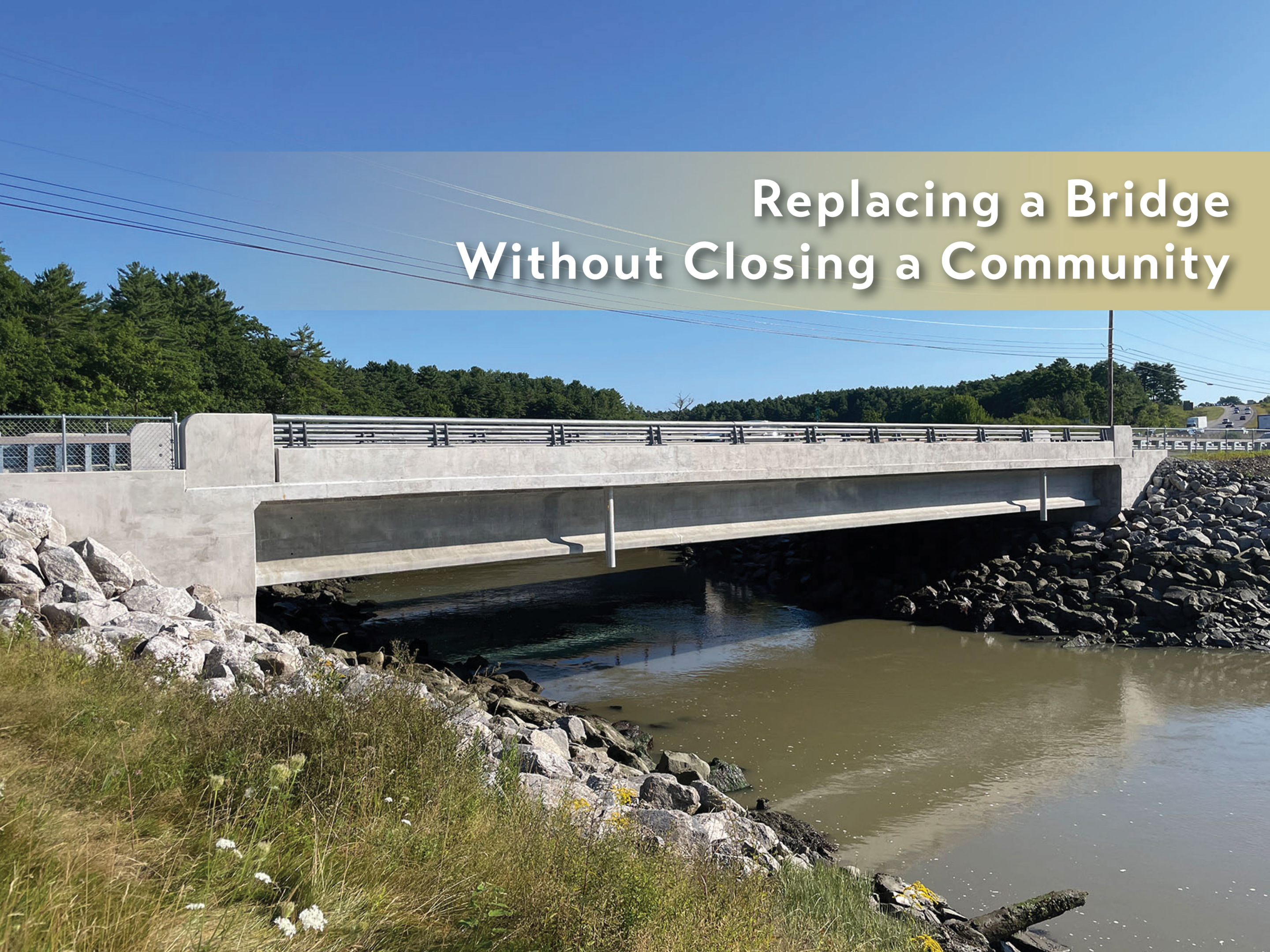
One of the project's biggest challenges had nothing to do with the bridge itself. US Route 1 is an important connection between Yarmouth and Freeport. Closing it during construction...
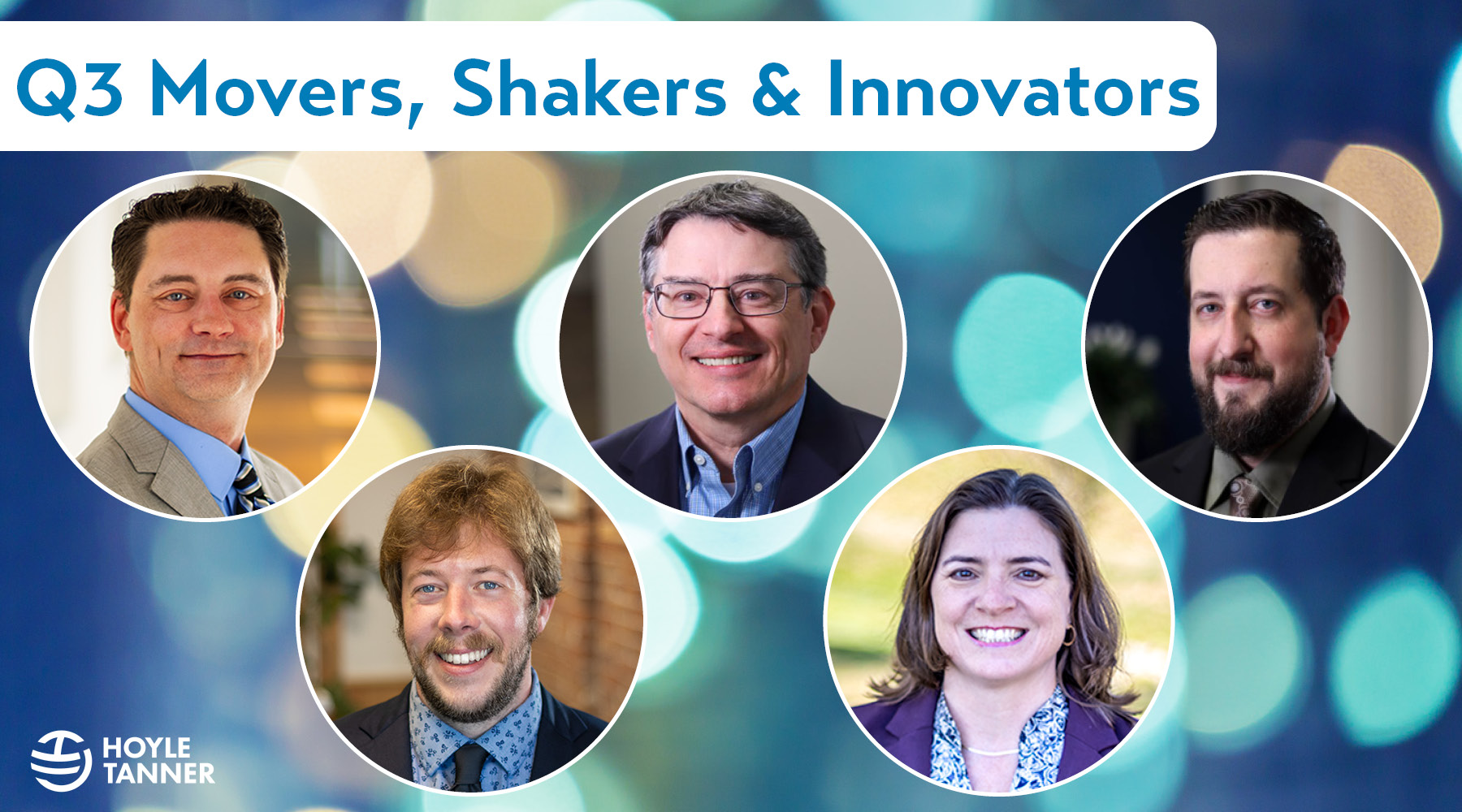
Each quarter, employees nominate colleagues who go above and beyond to support their teams, projects, and coworkers. Meet our Q3 Movers and Shakers and see what their peers had to say about their contributions.
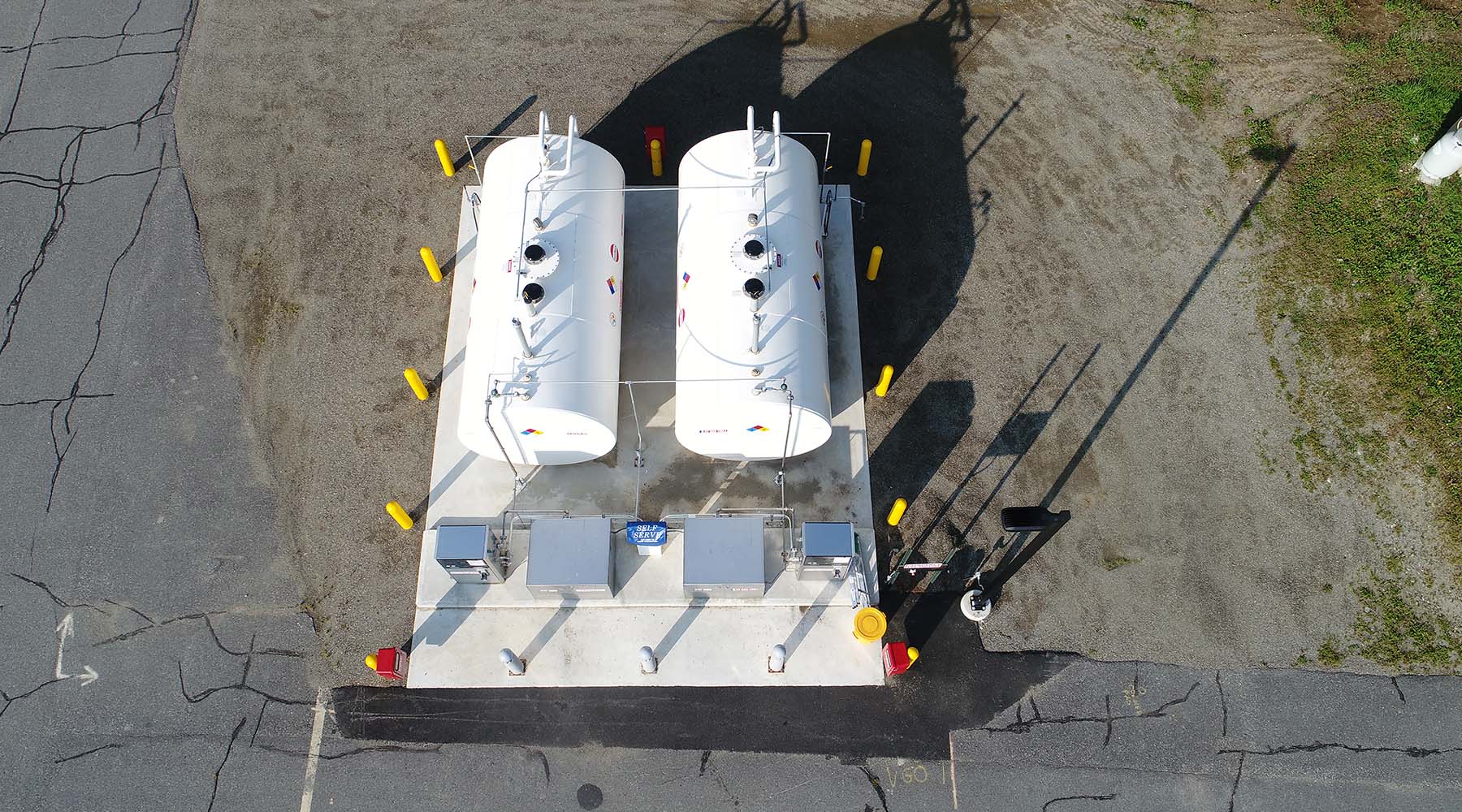
For decades, airports have largely planned their fueling facilities around two familiar products: 100-octane low-lead aviation gasoline (100LL) for piston-engine aircraft and Jet A for turbine-powered aircraft. That landscape...
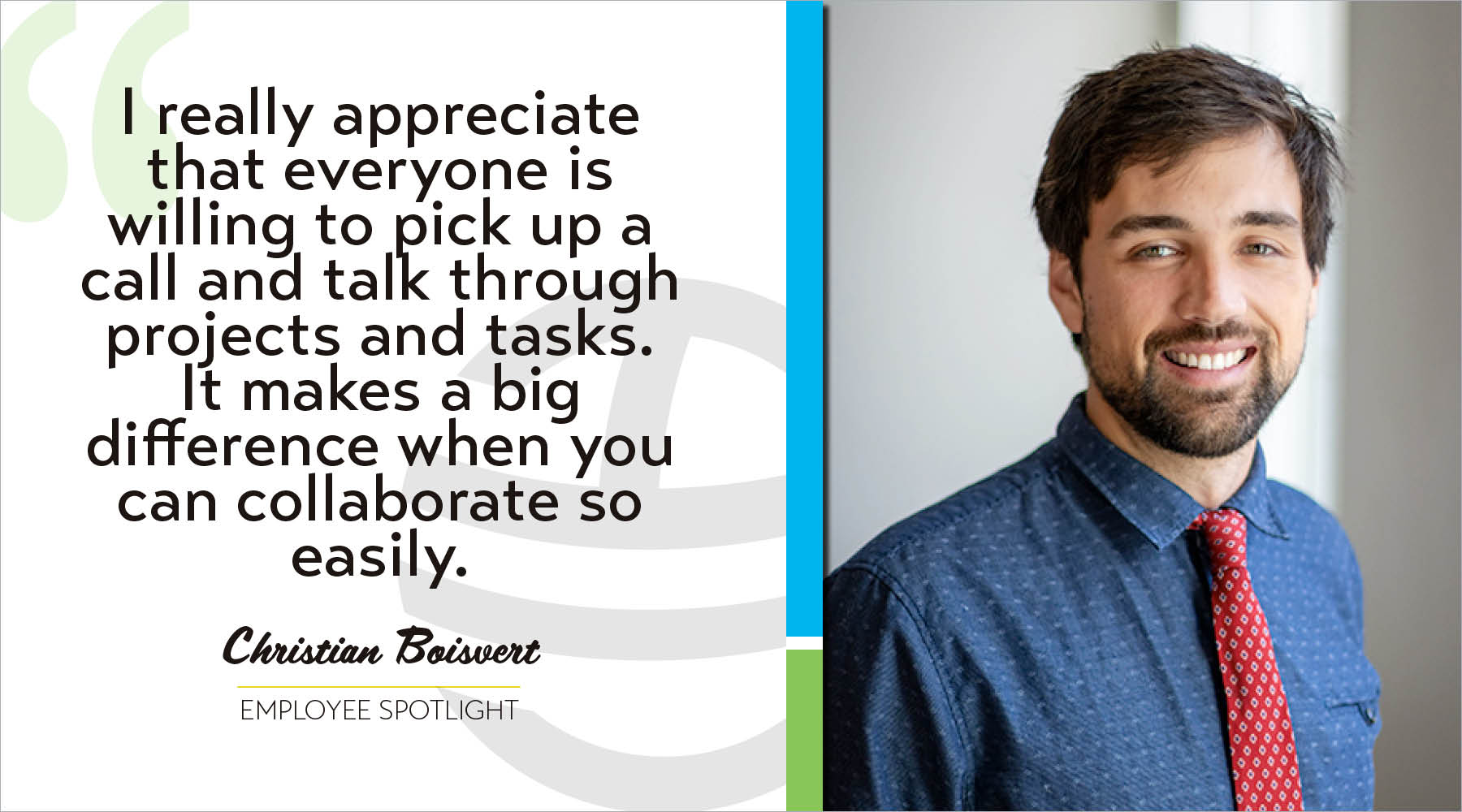
Christian Boisvert, PE, Hydraulic Engineer & Amateur Rugby Player What drew you to Hoyle Tanner? I really liked the size of the firm and the local office in Burlington,...
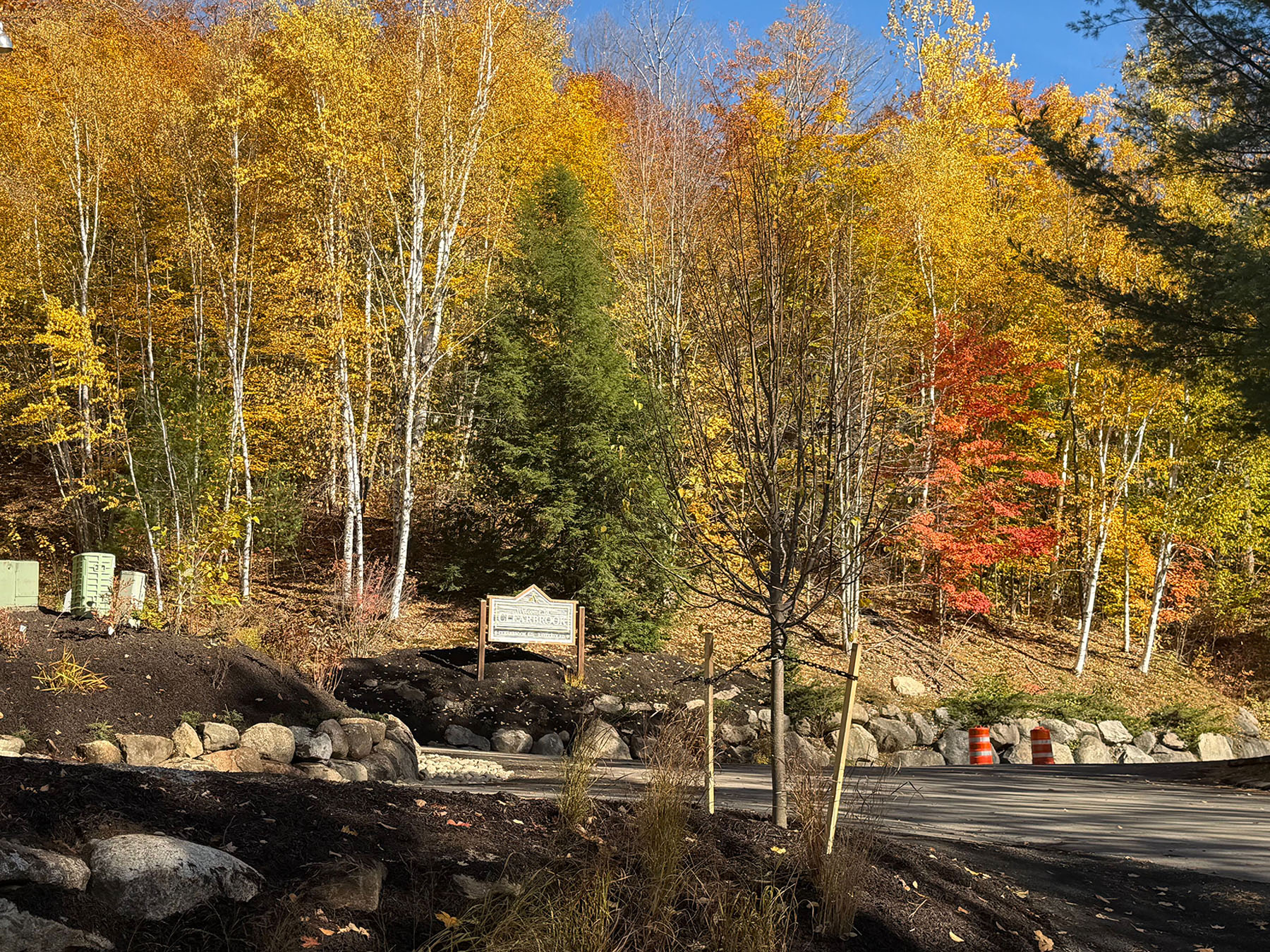
Infrastructure improvements continue at Clearbrook Condos, a 240-unit condominium community in Lincoln, NH, located across the river from Loon Mountain Ski Resort. What started as a conversation about aging...
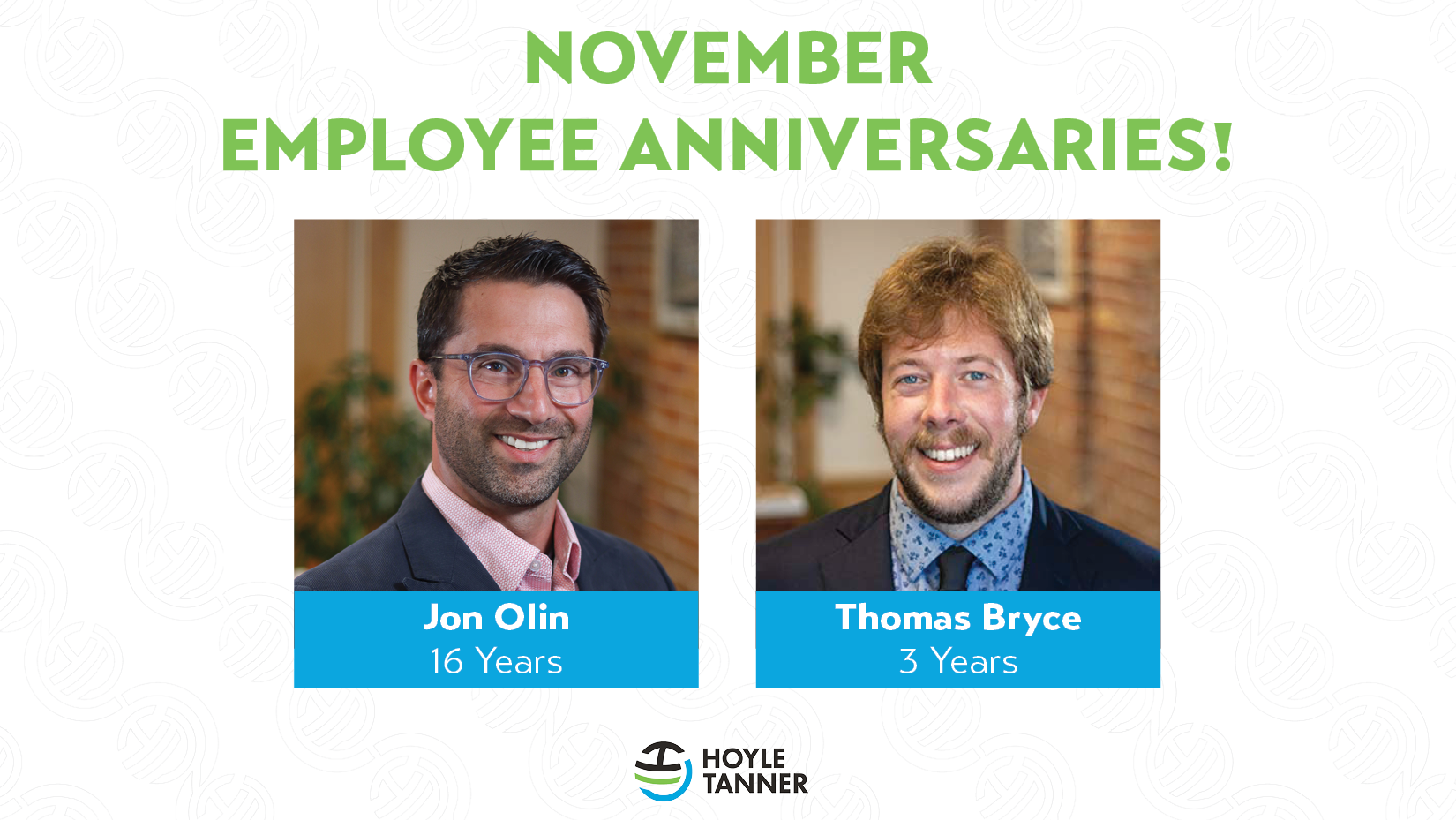
We’re recognizing our November employee anniversaries and celebrating the 19 combined years these employees have spent growing, contributing, and making an impact at Hoyle Tanner.
In Fair Haven, Vermont, some sewer lines have served the community for nearly 120 years. Like many long-standing infrastructure systems, the collection system experiences a range of challenges. Aging...
Whether we're walking the dog, heading to work, taking our children to the bus stop, or enjoying New England's fall foliage, most of us are pedestrians at some point...