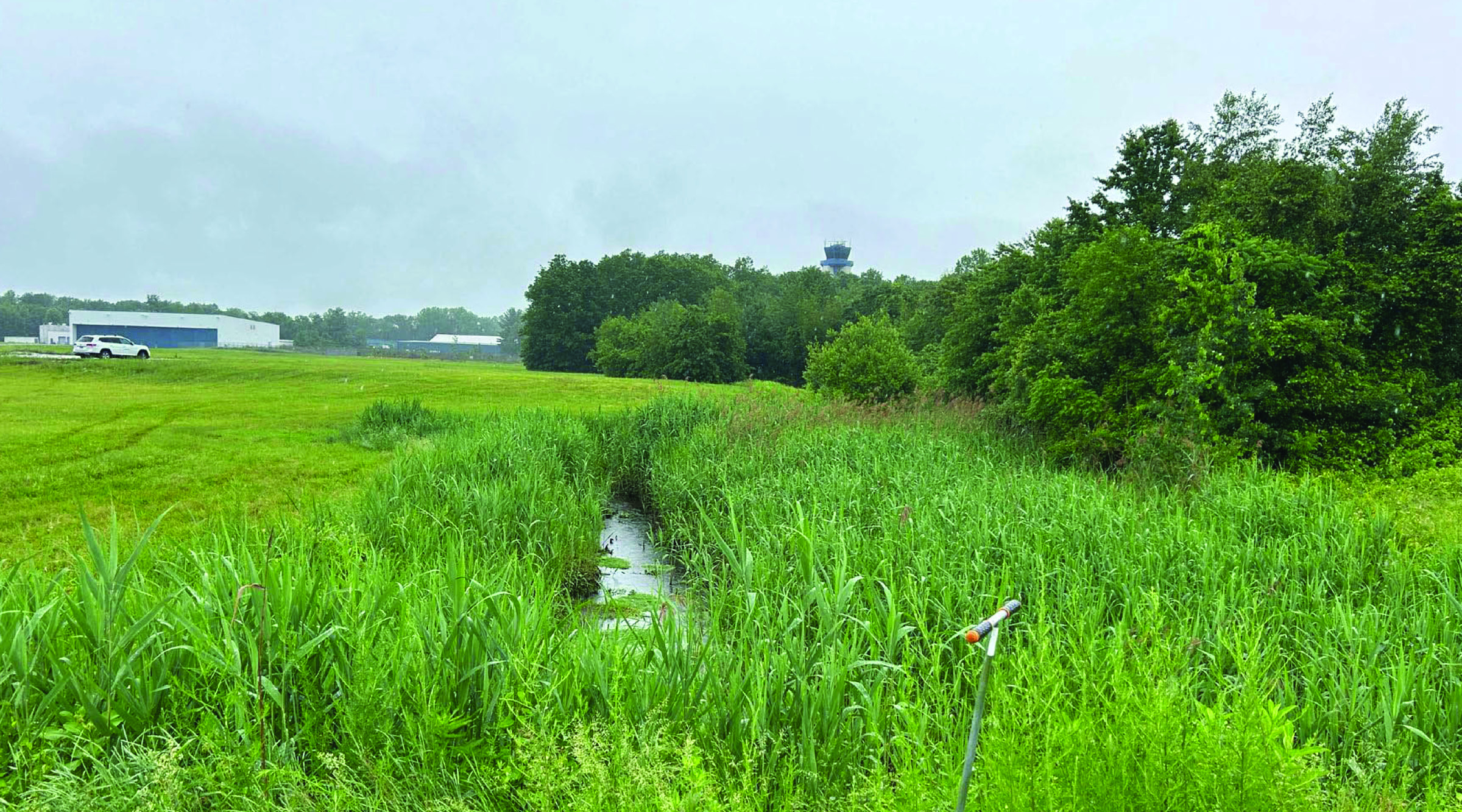
Protecting federally listed bat species such as the Indiana bat (Myotis sodalis; IBAT) and Northern Long‑eared bat (Myotis septentrionalis; NLEB), has become an essential part of infrastructure planning and environmental compliance. After attending specialized training in November 2025 to learn how to conduct acoustic surveys and interpret echolocation data, our team is now better equipped than ever to assist with environmental permitting.
This post introduces the process behind bridge and culvert bat assessments and acoustic surveys, two key components outlined in the newly released 2026 U.S. Fish and Wildlife Service (USFWS) Range‑Wide Survey Guidelines.
Acoustic Bat Surveys
Acoustic surveys are often required to determine presence or probable absence of protected bat species where vegetation clearing is proposed. Specialized bat detectors that record ultrasonic echolocation calls are placed at the site and record bat calls during the night. These calls are later analyzed to identify species presence or probable absence. Acoustic surveys provide: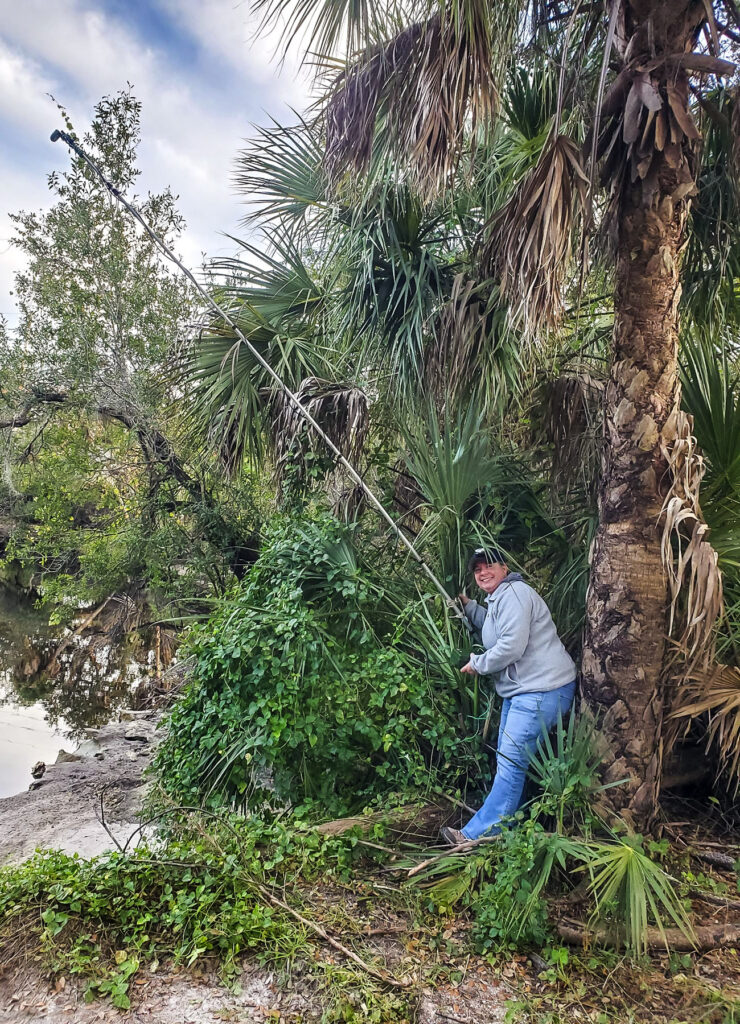
- Non‑invasive species detection
- Broad coverage of potential habitat
- A scientifically validated method for determining bat presence
Specialized training is critical to collect accurate acoustic data. Detector deployment teams must select proper detector placements considering habitat corridors, potential bat behavior changes near microphones, and reflective surfaces that could create echo patterns and obstruct proper call identification. They must plan for appropriate weather conditions and ensure that the number of sites and survey nights comply with USFWS survey protocols. Survey data analysis can be difficult and nuanced requiring use of specialized software and the ability to manually identify calls by viewing sonogram shapes and patterns.
Acoustic surveys are not appropriate for all sites. For example, bridge and culverts are documented to provide roosting and overwintering habitat for some bat species, but it is challenging to survey them acoustically. To collect clear data, an acoustic detector must be placed far enough away from the bridge/culvert structure that it’s impossible to determine if detected bats are using the structure itself or the surrounding habitat.
Bridge & Culvert Bat Assessments
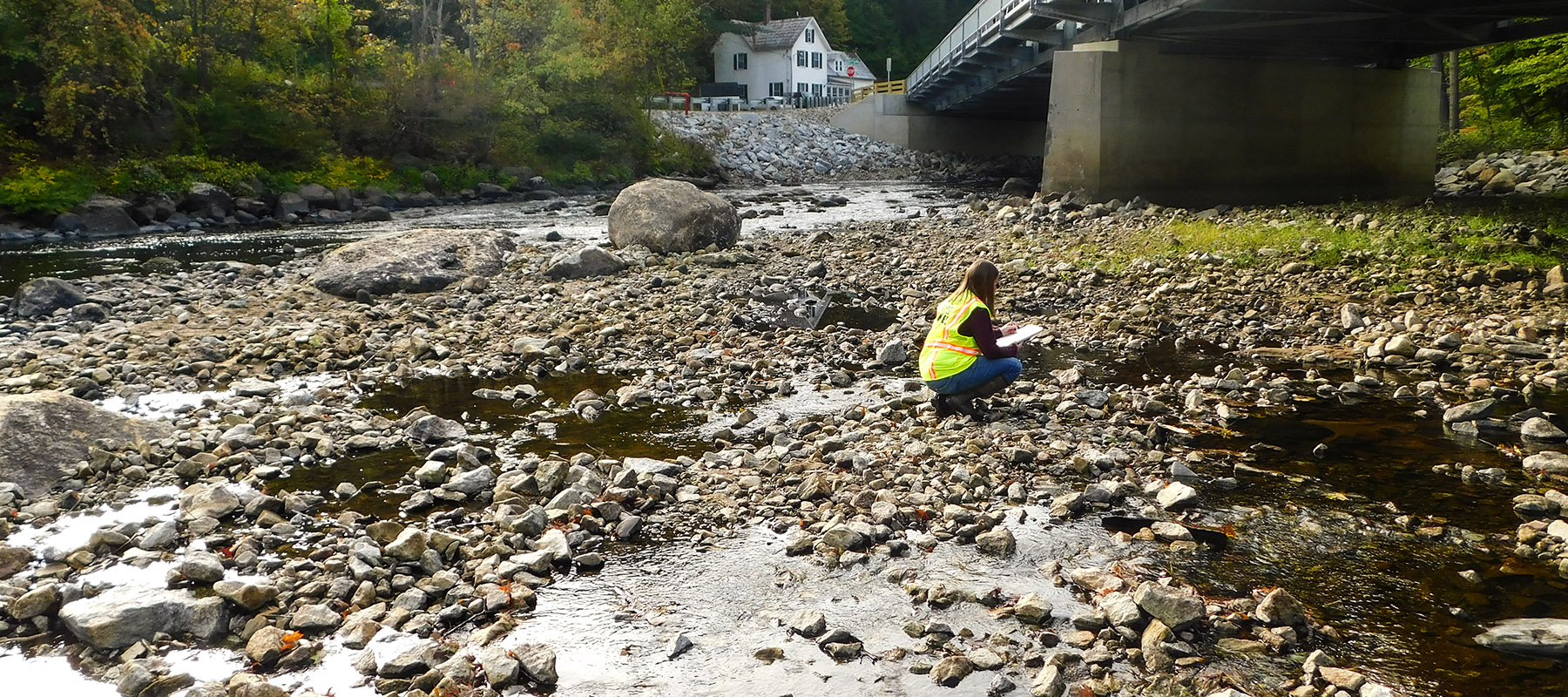
Bridge assessments are typically done at bridge/culvert project sites in lieu of acoustic surveys. During a bridge bat assessment, our team inspects the structure for:
- Cracks, joints, and crevices large enough for roosting
- Movement corridors (e.g., tree lines, streams) that may support bat foraging
- Evidence of bat presence (e.g., staining or guano)
Proposed projects impacting bridges and culverts that are within the known range of federally listed bat species and/or species proposed for listing need to be reviewed to see if a bat assessment is required. Not all structures require assessments in New England, and our permitting team is ready to help you navigate the process.
Our Commitment to Science-Based & Defensible Project Permitting
The Hoyle Tanner Environmental Permitting team ensures all survey work is science‑driven, legally compliant, and aligned with the latest conservation practices. As bat survey guidelines and species listings continue to evolve, our team stays current through training, updated protocols, and coordination with state and federal agencies.
If your project involves bridges, culverts, forested areas, or other potential bat habitat, our trained staff can help you navigate survey requirements and protect sensitive bat populations while keeping your project moving forward. Reach out to me.