One of the biggest misconceptions is that the money simply arrives once a project is approved. In reality, the municipality pays 100% of the bills up front. NHDOT then reimburses the federal share. If the requirements aren’t met along the way, those costs may not be eligible for federal reimbursement, and the municipality could be left covering money it has already spent.
That’s where New Hampshire’s Local Public Agency (LPA) program comes in.
The Rules Behind the Funding
People often assume LPA certification is about design standards or engineering. There is a technical side, but most of the LPA program is about process, documentation, quality standards, and accountability. The Federal Highway Administration (FHWA) provides the funding, and NHDOT is the boots on the ground, working with communities to make sure federal requirements are met from planning through construction.
Certification is how NHDOT ensures the people managing these projects know the rules. It belongs to individuals, not firms, and it comes in two parts. Part 1 covers a project from grant award through closeout and is valid for four years. Part 2 covers federal labor requirements during construction and is valid for only two. Key members of the consultant’s team need to be certified in both parts.
Certification Has an Expiration Date
LPA projects are long. Planning and design can take two or three years, and construction can take two more. A two-year certification can easily expire in the middle of a project.
That matters because, under NHDOT’s rules, if a certification lapses, federal funds won’t be authorized for the next phase of the project. If a certified person leaves the firm, someone else has to take the training. NHDOT can also suspend a certification if someone shows they don’t understand the requirements.
A lapsed certification isn’t a technicality. It can stop a project right when the municipality is ready to move forward.

The Rules Keep Changing
The program also changes. When I took the Part 2 training in March 2026, much of it covered Elation Systems, an online platform NHDOT has required since February 1, 2026. Certified payrolls, sign-in sheets, subcontractor approvals, and other construction phase compliance records now go through Elation, which automatically flags payrolls that don’t match the sign-in sheets.
More changes are on the way. Federal rules for the Disadvantaged Business Enterprise (DBE) program are being revised, and DBE requirements on NHDOT’s LPA projects are currently on hold while that happens. Changes like these are exactly why recertification matters: it’s how we make sure we’re working from today’s rules, not the ones we learned last time.
The Details Matter
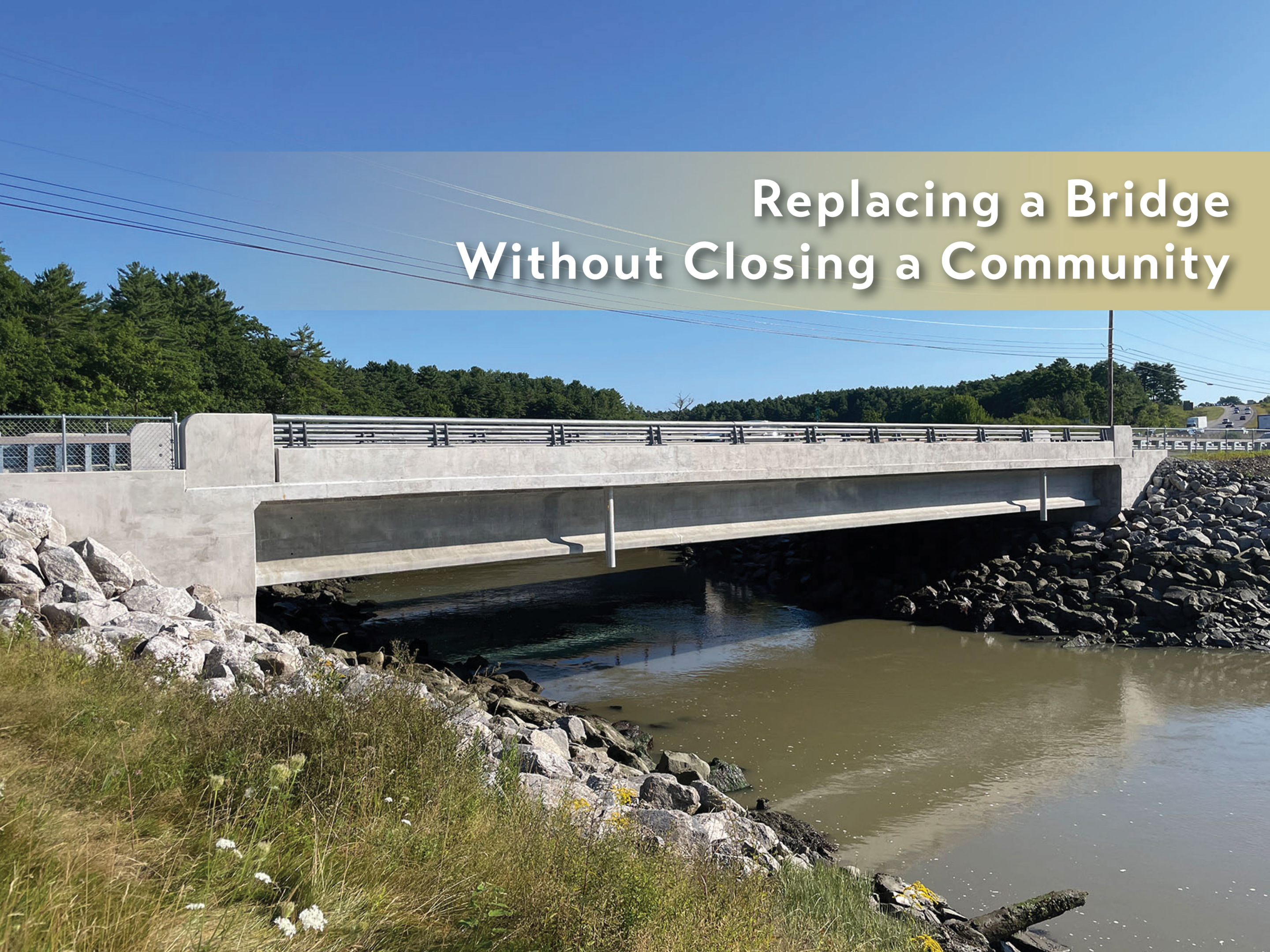
One of the first things I did at Hoyle Tanner was take the LPA training so I could support a bridge project in southern New Hampshire. My job was comparing daily sign-in sheets to certified payroll records.
It sounds like paperwork, but it’s how NHDOT confirms that every worker is paid according to their wage classification and every company has proper insurance. If Jane Smith signs in on the project site as a crane operator, she needs to be on a certified payroll report as a crane operator.
Sometimes the problem is as simple as a nickname that doesn’t match the payroll, or a worker who wrote “laborer” when they were running a backhoe. Sometimes it’s a subcontractor who wasn’t approved, and NHDOT will not pay for work done by an unapproved subcontractor. That even includes professional consultants on site, like the firm doing stormwater inspections.
On their own, these issues seem small. Over a multi-year project, they add up quickly.
Keeping Projects Eligible for Funding
It’s easy to think of LPA as a paperwork exercise. It’s not.
NHDOT reviews each project, meets with the team before construction, and audits the work as it goes. When questions come up, NHDOT staff are there to help teams understand what’s needed and correct issues along the way. Audits are rated Satisfactory, Not in Full Compliance, or Unsatisfactory. Issues that are caught early and fixed are manageable. Issues that keep repeating put the funding at risk.
On my first LPA project, we went through three audits. Each one showed us what still needed work, and the third came back Satisfactory. That’s what knowing the current rules makes possible.
Why Recertification Matters
Certification is an important part of the goal, but it’s only the starting point. What matters most is understanding the rules well enough to keep a project moving.
Project managers must be certified to lead LPA projects. For the rest of the team, including people like me in a support role, it means catching potential problems early, while they’re still easy to fix. And because the municipality is still responsible for compliance even when it hires a consultant, it needs a team it can trust to protect its funding.
NHDOT offers the training at no cost. The real investment is time away from project work, and at Hoyle Tanner we treat that time as part of the job, for engineers and support staff alike. It’s one of the ways we invest in our people.
That’s why we keep our LPA certifications current. Not because it’s required, but because our clients depend on us to get these projects across the finish line.
Planning a bridge, road, sidewalk, or trail project with federal funding? Let’s talk about how to keep it on track.