As Bradley International Airport advances its long-term airfield improvement program, the Taxiway T extension is helping position the airport for safer and more efficient operations while supporting future growth. With design and environmental permitting progressing in parallel, the project reflects the kind of strategic planning airport leaders rely on to keep critical infrastructure moving forward without disrupting daily operations. By creating a more direct aircraft movement route and reducing reliance on identified airfield hot spots, the improvement will enhance operational flexibility, support air traffic management, and strengthen the airport’s ability to safely accommodate future demand while remaining aligned with FAA planning and funding objectives.
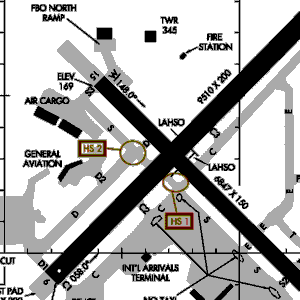
How We’re Addressing Two Critical Hot Spots
The Federal Aviation Administration defines a hot spot as a location on an airport movement area with a history or potential risk of collision or runway incursion. These locations require heightened attention from pilots, vehicle operators, and air traffic controllers. Currently, aircraft landing on Runway 33 and exiting at the Runway 15 end cannot avoid Hot Spot 2. Avoiding Hot Spot 1 is also operationally inefficient. Aircraft traveling between tenant facilities and the runway system may need to cross near the end of Runway 15, where movements can be more complex.
To give the airport additional circulation options, our engineers designed a Taxiway T extension option. Because of this alternative, air traffic controllers will have greater flexibility.
Creating a More Efficient Airfield
The FAA’s Advisory Circular 150/5300-13B notes that a parallel taxiway eliminates the need to use a runway for taxiing, helping increase runway capacity and protect the runway during low-visibility conditions.
Airport leaders are constantly looking for ways to improve safety, reduce delays, and maximize the efficiency of existing airfield infrastructure. At Bradley International Airport, the Taxiway T extension will create an additional parallel route that gives pilots and air traffic controllers more flexibility when managing aircraft movements. By reducing the need for aircraft to wait or travel along less-direct routes, the project is expected to improve operational efficiency, decrease taxi times, and support more reliable airport operations. Beyond the physical infrastructure, the project represents a broader strategy many airports are pursuing: making better use of existing airfield capacity while preparing for future growth, operational demands, and evolving FAA priorities.

Navigating Environmental Requirements
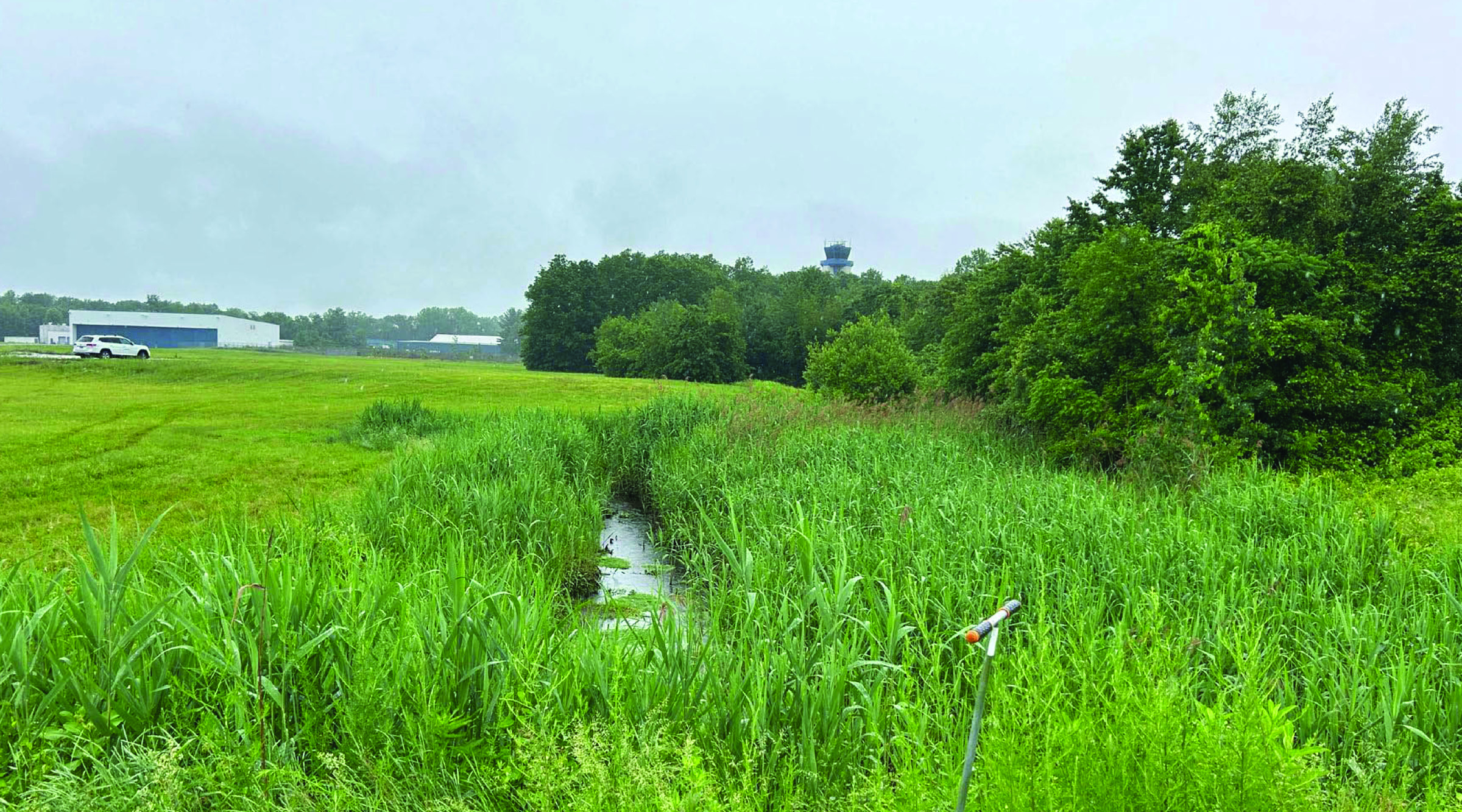
Environmental permitting is a major component of the project and is helping drive the design schedule. The project area includes wetlands and a watercourse that require careful coordination with the Connecticut Department of Energy and Environmental Protection and other project partners. Hoyle Tanner’s environmental coordinators are working alongside the aviation design team to address these sensitive resources. The team has identified a potential mitigation area on Connecticut Airport Authority property and is coordinating with regulators to confirm that the location meets permitting requirements.
Locating the mitigation area away from active airfield operations also supports airport safety. Wetlands and similar habitats can attract wildlife, potentially increasing hazards for aircraft. Establishing mitigation in a more appropriate location will help balance environmental protection with the airport’s operational and safety needs. This integrated approach reflects Hoyle Tanner’s broader experience helping airports navigate wetland impacts and mitigation requirements while continuing to advance important infrastructure improvements.
The biggest takeaway isn’t the new taxiway itself. It’s the strategy behind it. Airports across the country are looking for ways to improve safety, increase operational flexibility, and maximize existing infrastructure without major runway expansions. Bradley’s Taxiway T extension shows how targeted improvements, supported by planning, environmental review, and funding coordination, can deliver meaningful operational benefits while preparing an airport for future growth.
Discover how Hoyle Tanner partners with airport leaders to identify operational challenges, secure funding, and deliver aviation projects that support long-term airport success.