
In northern climates, winter is more than a season – it’s a construction variable. For airport projects in particular, cold-weather conditions can shape schedules, budgets, and even the quality of the finished work. To better understand how winter shutdowns fit into airport construction planning, we recently spoke with Principal Airport Engineer Nils Gonzalez, who walked us through what really happens when the temperatures drop and projects pause.
What Is a Winter Shutdown?
A winter shutdown is exactly what it sounds like: construction activity halts for the season when temperatures, daylight hours, or weather conditions make it impractical – or impossible – to continue efficiently.
At airports, many projects are already designed with this in mind. Depending on the stage of construction, shutting down may allow airports to temporarily regain some pavement areas for winter operations. The key is knowing when to step back so the work can advance safely and effectively in the spring.
Why Airports Often Plan for It
Unlike other project types, airport construction in the Northeast is frequently funded later in the year. In the FAA world, this can mean bid awards arriving too close to cold weather to support a full construction season. Because of this, engineers often bake the shutdown into the design and bid documents.
Depending on the timing, teams might:
- Begin construction in late summer or fall, shut down for winter, and resume in spring
- Or delay the project start entirely until spring – sometimes more than a year after bidding
For long-duration, multi-phase projects (like Burlington’s multi-year program), winter shutdowns aren’t an exception; they’re incorporated into the workflow.
The upside? When planned correctly, shutdowns have zero unexpected cost impact. Contractors account for the pause in their bids, and owners know what to expect from day one.
What Triggers a Shutdown?
Temperatures and ground conditions are the biggest drivers.
Temperature-Based Limits
-
- Asphalt paving can’t be done below ~45°F. The material simply won’t perform as intended, and compaction becomes unreliable.
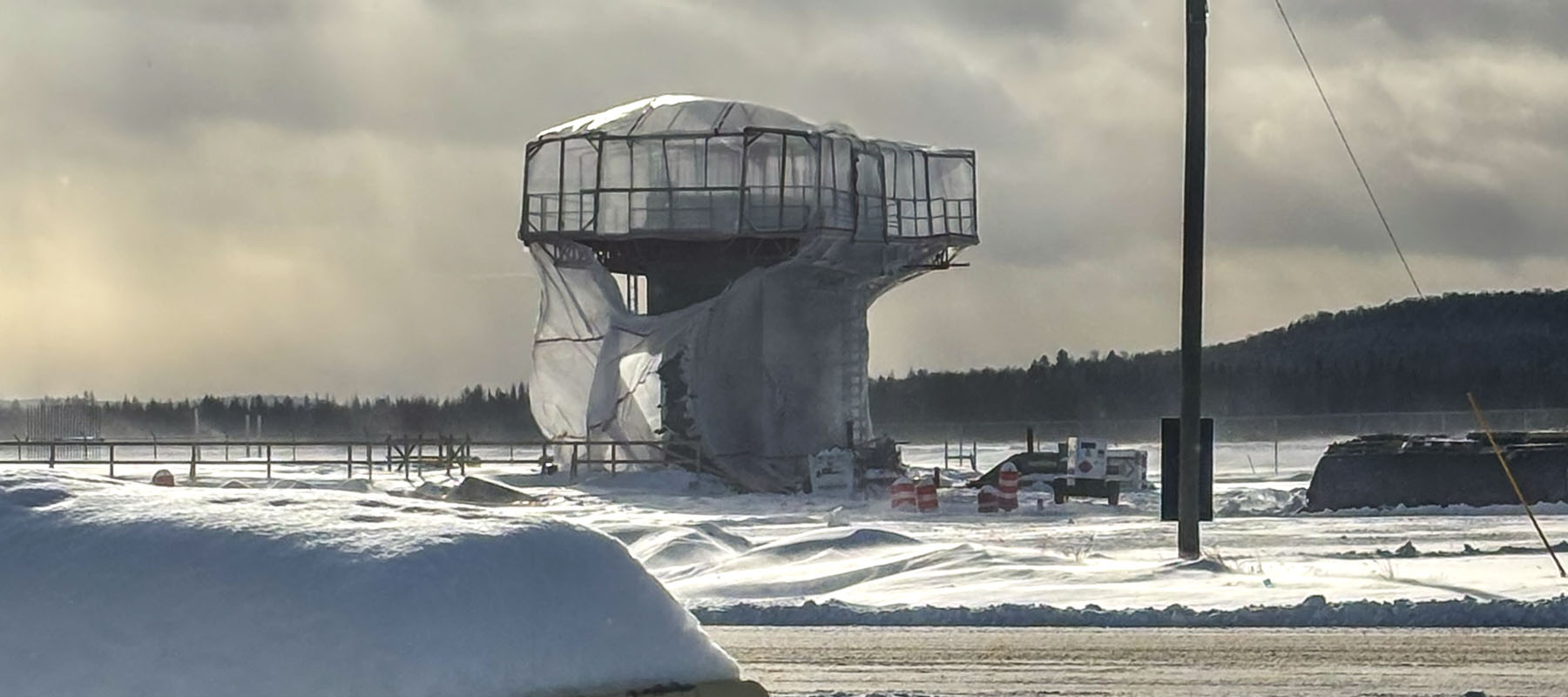
- Concrete can be placed below freezing, but only with significant protective measures – heating, tenting, insulation, and strict temperature monitoring for the first 72–96 hours to prevent freezing. These precautions increase cost and risk.
Ground Conditions
Mud and frozen subbase layers compromise compaction and pavement performance. If the gravel layers beneath a runway or taxiway can’t be properly compacted, the work simply shouldn’t continue.
Daylight & Efficiency
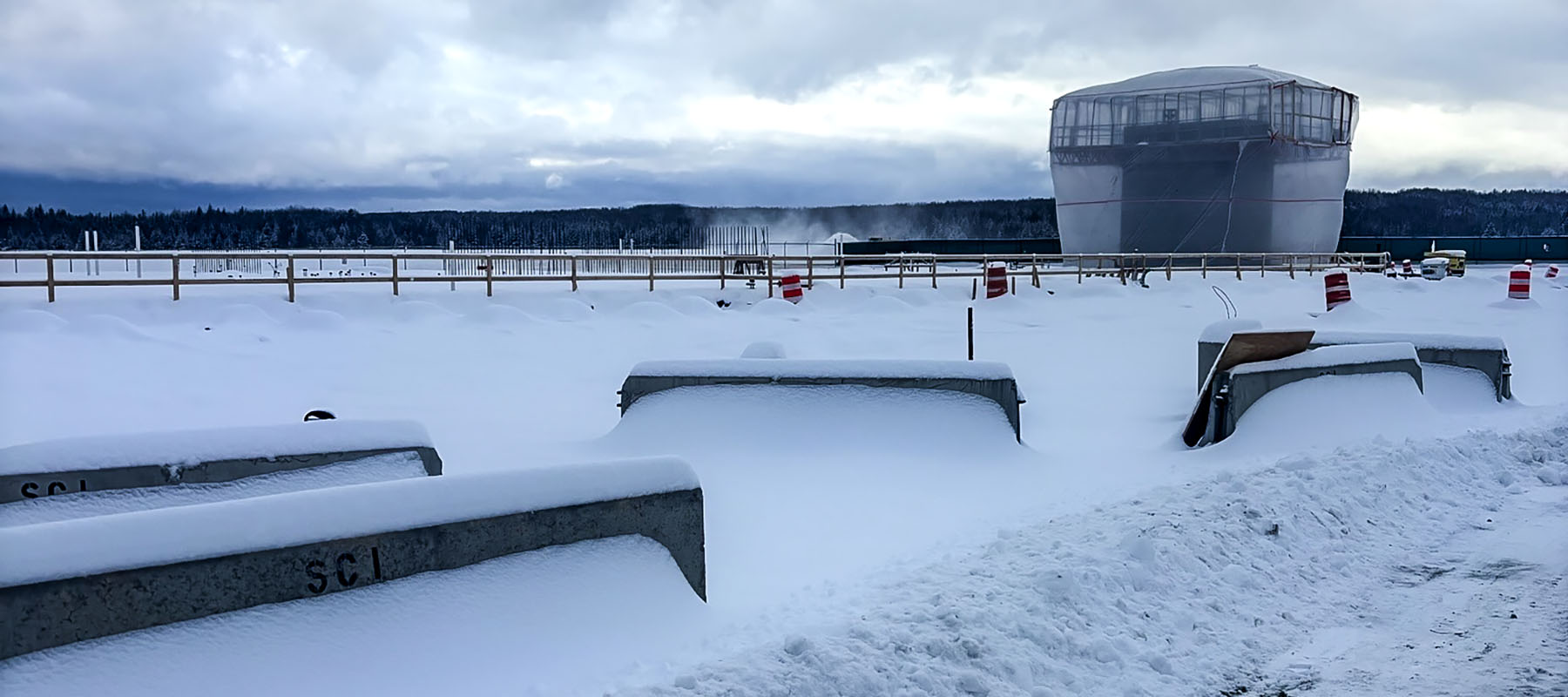
Short days mean limited productive hours. Even simple tasks become inefficient when crews face biting wind, snow, and 15-degree temperatures – conditions familiar to anyone working in New England communities.
What Happens When Construction Pushes Too Far?
Nils highlighted several cautionary scenarios observed on projects that continued deep into the cold season – beyond the point where a winter shutdown is typically recommended. Under these conditions, teams can encounter challenges such as:
- Temporary weather protection, including tents and heated blankets, becoming ineffective during high winds
- Concrete placement occurring when snow or ice remains in forms
- Cold-weather impacts that may compromise concrete performance and require corrective work in the spring
These examples underscore why winter shutdowns are an important risk-management tool and not merely a scheduling inconvenience – helping safeguard construction quality, worker safety, and long-term structural performance.
Cold-Weather Technology: Improving Winter Decisions
Modern temperature sensors placed directly in concrete provide real‑time readings every 15 minutes, allowing teams to track curing temperatures inside heated tents. This technology is a major advancement over practices from 5-10 years ago and helps contractors make informed decisions about when protective measures can be removed.
Still, technology only goes so far. Good sequencing and realistic schedules remain the foundation of successful winter work.
Does Cold-Weather Sequencing Affect Quality?
Surprisingly, no – at least not when shutdowns are used correctly. In fact, winter shutdowns can improve quality because crews return to better temperatures, longer workdays, and more predictable conditions. Trying to “push through” winter typically increases risk without improving outcomes.
So Why Delay a Shutdown?
Interestingly, contractors – not owners – usually decide when to stop work. While engineers can advise based on specifications and best practices, the contractor controls the means and methods. When they push too far, the consequences (like removing or replacing noncompliant work) fall on them.
Advice for Airports & Contractors
From design through construction, success comes down to planning:
For Airport Owners
-
- Expect winter shutdowns in northern climates
- Insist that design teams anticipate and plan them appropriately
- Understand that proper shutdowns protect both cost and quality
For Contractors
-
- Don’t wait too long to shut down – efficiency drops quickly
- Leave the site clean, stable, and secure for winter monitoring
- Be prepared to resume flexibly in spring based on temperatures and ground conditions
For Both
Embrace the reality that in New England, winter wins. Planning construction around the season, not against it, is the surest path to a durable, high‑quality project.
We’re always available to help communities with their airport needs, no matter the season. If there’s an airport in your community, reach out to us for assistance with grants, funding assistance, design, and construction administration services.