Key Takeaways from The Wildlife Society’s Recent Webinar
The Wildlife Society recently hosted a national webinar (led by Dr. Patricia Cramer) focused on the growing importance of wildlife connectivity in transportation planning — a topic increasingly shaping policy, design standards, and interdisciplinary collaboration across the United States.
Nearly 600 attendees tuned in, representing engineers, planners, landscape designers, biologists, ecologists, transportation agency staff, and others working at the intersection of infrastructure and the environment. The strong turnout highlights how widely this issue resonates across sectors.
Members of Hoyle Tanner’s environmental team — Melinda Squillace, CWB®, and Joanne Theriault, CWS, AWB® — serve on the Executive Board of The Wildlife Society’s Transportation Ecology Working Group, which facilitated and contributed expertise to the broader conversation surrounding this event. (Rewatch the webinar on the Transportation Ecology Working Group’s website for those interested in exploring the content further.)
Why Wildlife Connectivity Continues to Gain National Attention
One of the central themes discussed during the webinar was the rapid increase in state‑level requirements to include wildlife connectivity considerations in transportation planning. As these requirements become more common, transportation projects must integrate ecological context earlier and more consistently than ever before.
This shift is driven by several factors:
-
- A growing understanding of wildlife‑vehicle collision impacts
- The need to maintain ecological corridors across changing landscapes
- Support for resilient, long‑term infrastructure planning
- Interdisciplinary awareness of the benefits of connected habitats
What Stood Out from the Discussion
When asked about standout insights, Melinda shared that the biggest takeaway was the emphasis on embedding wildlife connectivity directly into transportation planning processes. This isn’t a future aspiration — it’s already happening:
“It’s the future and a lot of states are now requiring it with their planning for transportation projects.” – Melinda Squillace
This reinforces the urgency and broad relevance of the topic — something clearly reflected by the diversity of attendees.
Hoyle Tanner’s Role in this Evolving Field
While Hoyle Tanner did not host or organize the webinar, many of our environmental staff and engineers attended this event and all are deeply engaged in this subject area through both project work and committee involvement.
With Melinda and Joanne serving as Working Group board members, our team remains closely connected to national conversations and emerging best practices.
Most importantly, wildlife connectivity is already a core component of the work we do. Our teams regularly help communities and agencies design site‑specific wildlife passage solutions, including:
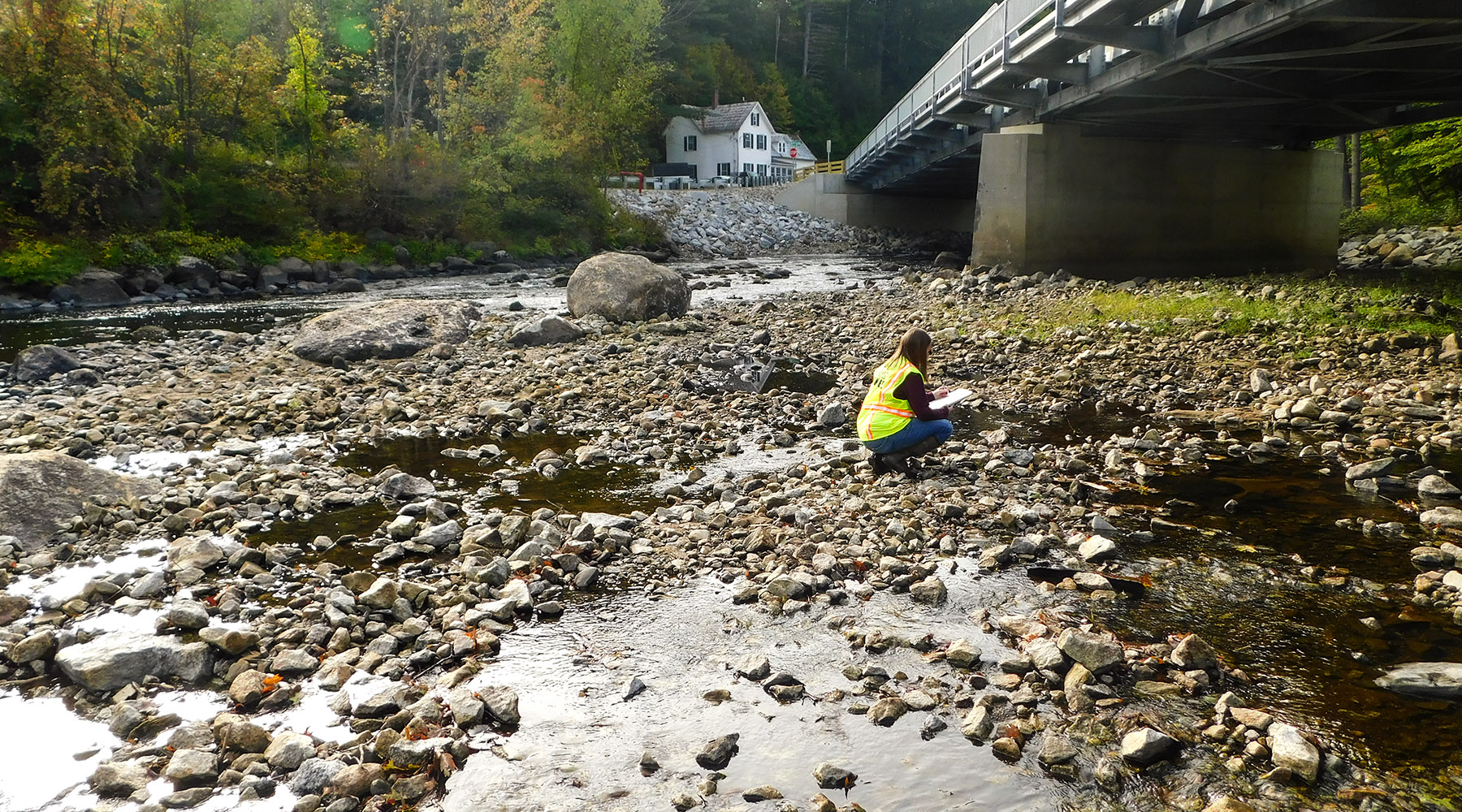
- Culverts and bridges that support terrestrial and aquatic organism passage
- Stream restoration elements designed with habitat continuity in mind
- Roadway improvements that reduce wildlife‑vehicle conflicts
- Hydraulic and structural designs that maintain ecological flow
Looking Ahead
Wildlife connectivity sits at the intersection of ecology, engineering, and public safety — and it’s becoming a defining element of modern infrastructure design.
Hoyle Tanner is proud to contribute to this national dialogue and to apply these principles every day in our projects across the region, honoring our mission of delivering the right solutions connecting people to sustainable environments.
If you’d like to discuss wildlife connectivity considerations for an upcoming project, our team is here to help.
Start a Conversation about Wildlife Connectivity