
Town of Jackman
Rehabilitate, Extend, Widen Runway 13-31 & Obstruction Removal
Jackman, ME
Project Summary
An Environmental Assessment (EA) for completion of the FAA’s NEPA analysis was completed for this important project that resulted in the airport continuing to be a safe, efficient transportation link to the northwest region of Maine for the next 20 years by expanding Runway 13-31. The rehabilitation of the existing surface and the addition of an aircraft turn-around area on the 31 end, along with MIRLS, and PAPI visual aids made the airport safe and efficient and allowed for LifeFlight of Maine to add this airport as a critical piece of medical transportation infrastructure in the Jackman-Moose River region.
Data collection and analysis of drone-captured imagery by our in-house sUAS team identified trees needing to be selectively cut to create unobstructed navigable airspace for arriving and departing aircraft in the proposed new runway configuration. Trees having the potential to penetrate the FAA surface, both on and off the airport, were removed in accordance with the EA requirements; an easement was purchased to allow for tree removal from these areas. Permits were obtained from Maine DEP and the US Army Corps of Engineers (USACE) for impacts to wetlands and vernal pools and the Maine jurisdictional Shoreland of the Moose River. A Biological Assessment was part of the NEPA process for evaluation of impacts to Canada lynx habitat.
SERVICES
- sUAS Data Collection
- Final Design
- Maine DEP NRPA & SLDA
- USACE Individual Permit
- FAA NEPA EA
- Construction Administration
- Construction Observation
From the blog
Learn about ongoing projects and the innovative processes we employ for our clients.
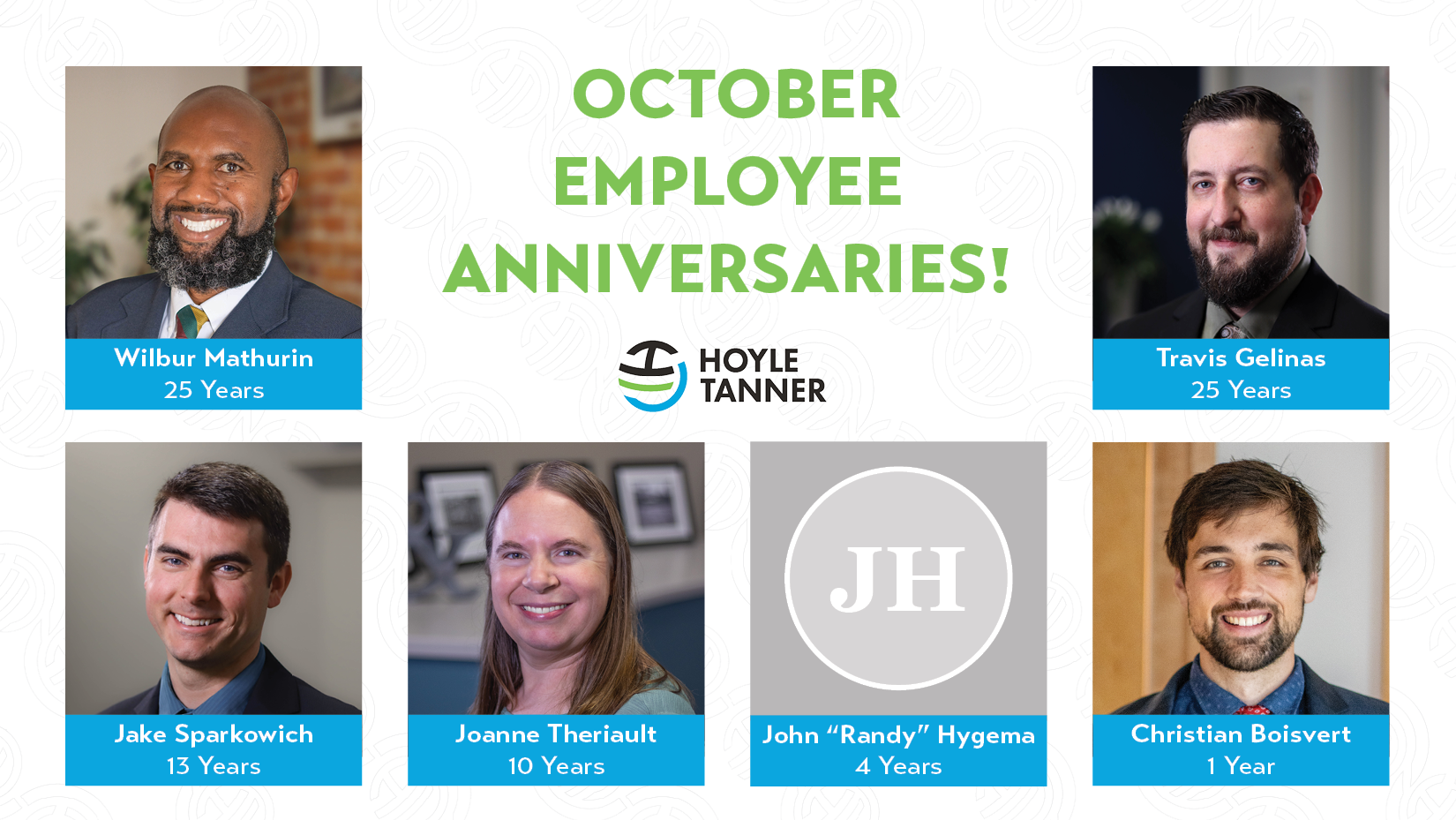
2026 October Employee Anniversaries
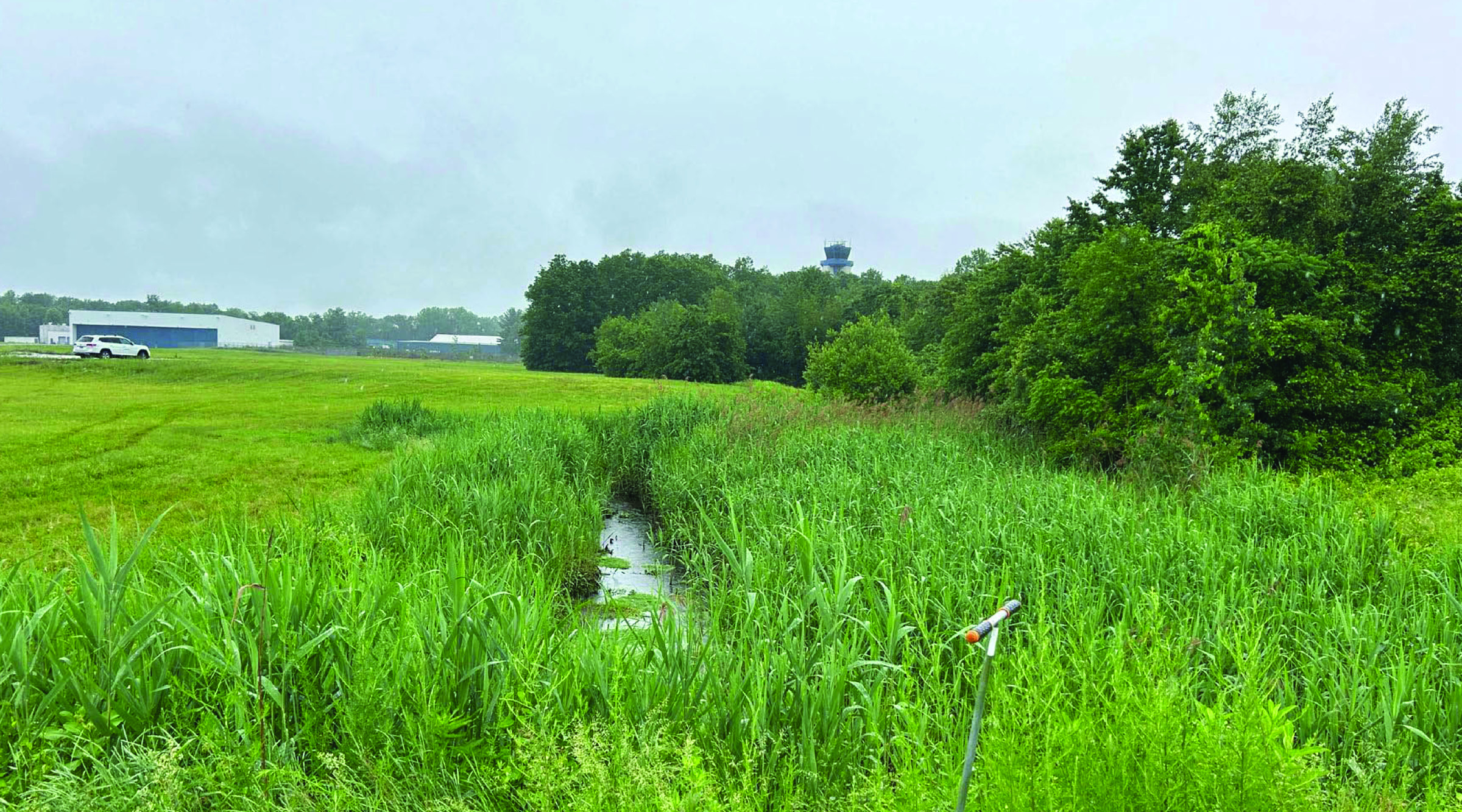
Designing a Safer & More Efficient Airfield at Bradley International Airport
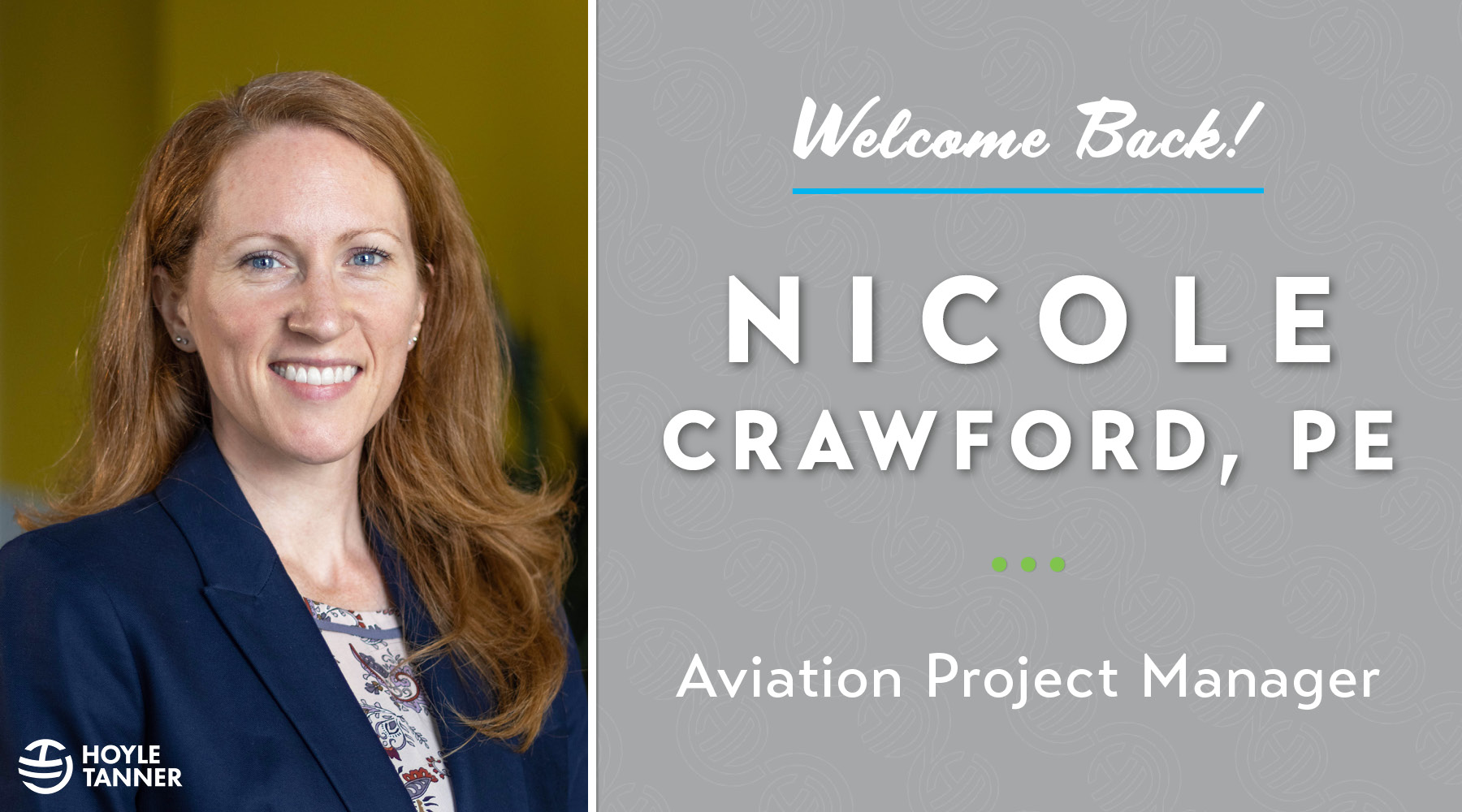
Nicole Crawford Returns to Hoyle Tanner as Aviation Project Manager

Employee Spotlight: David Vitali
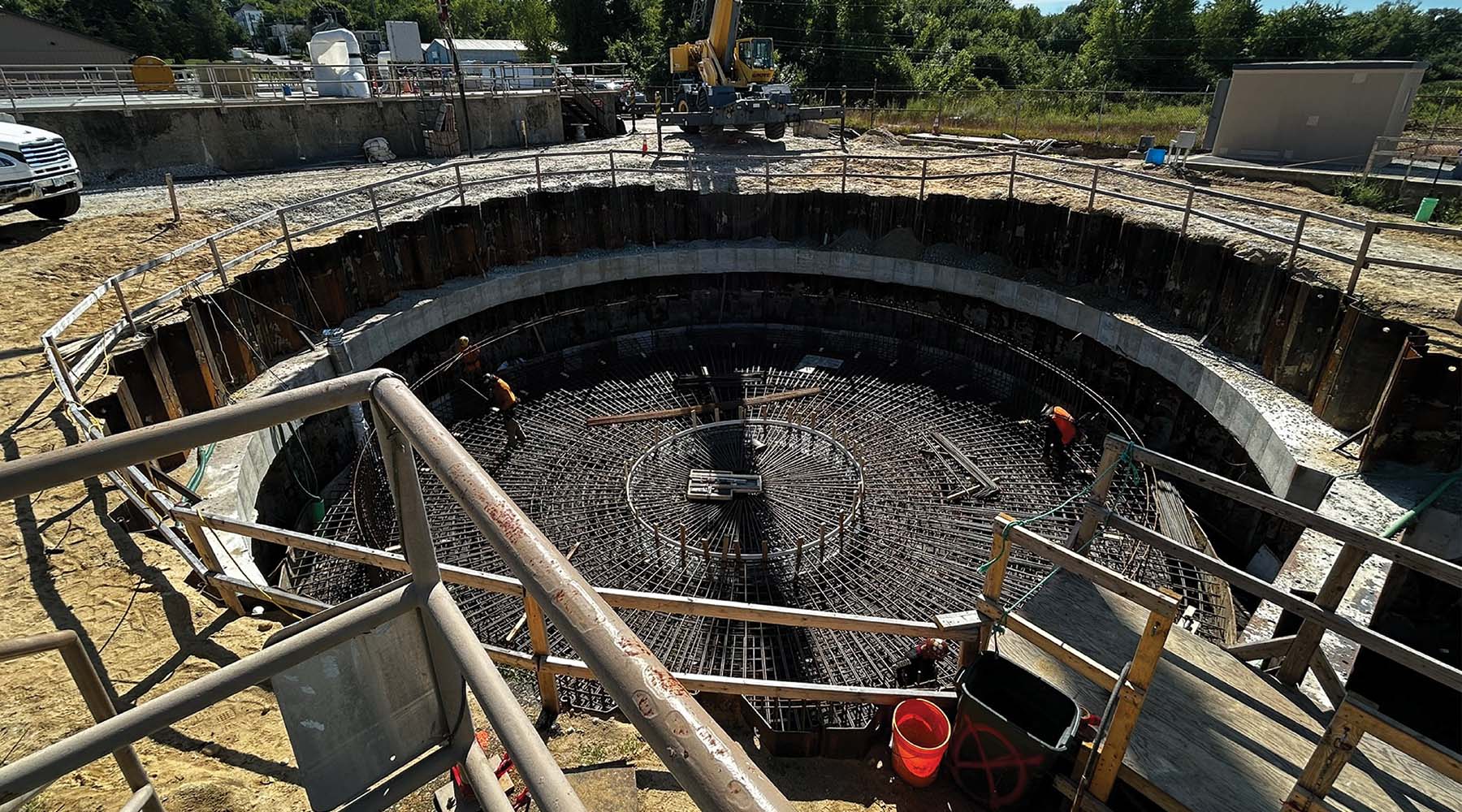
Construction Underway on Allenstown Wastewater Improvements

Infrastructure Funding: What Municipal Leaders Should Be Doing Right Now

David Jeffery Earns Professional Land Surveyor Licensure
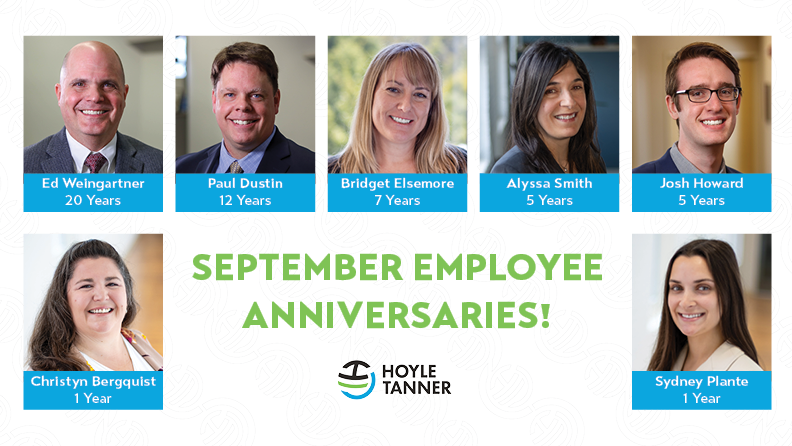
2026 September Employee Anniversaries