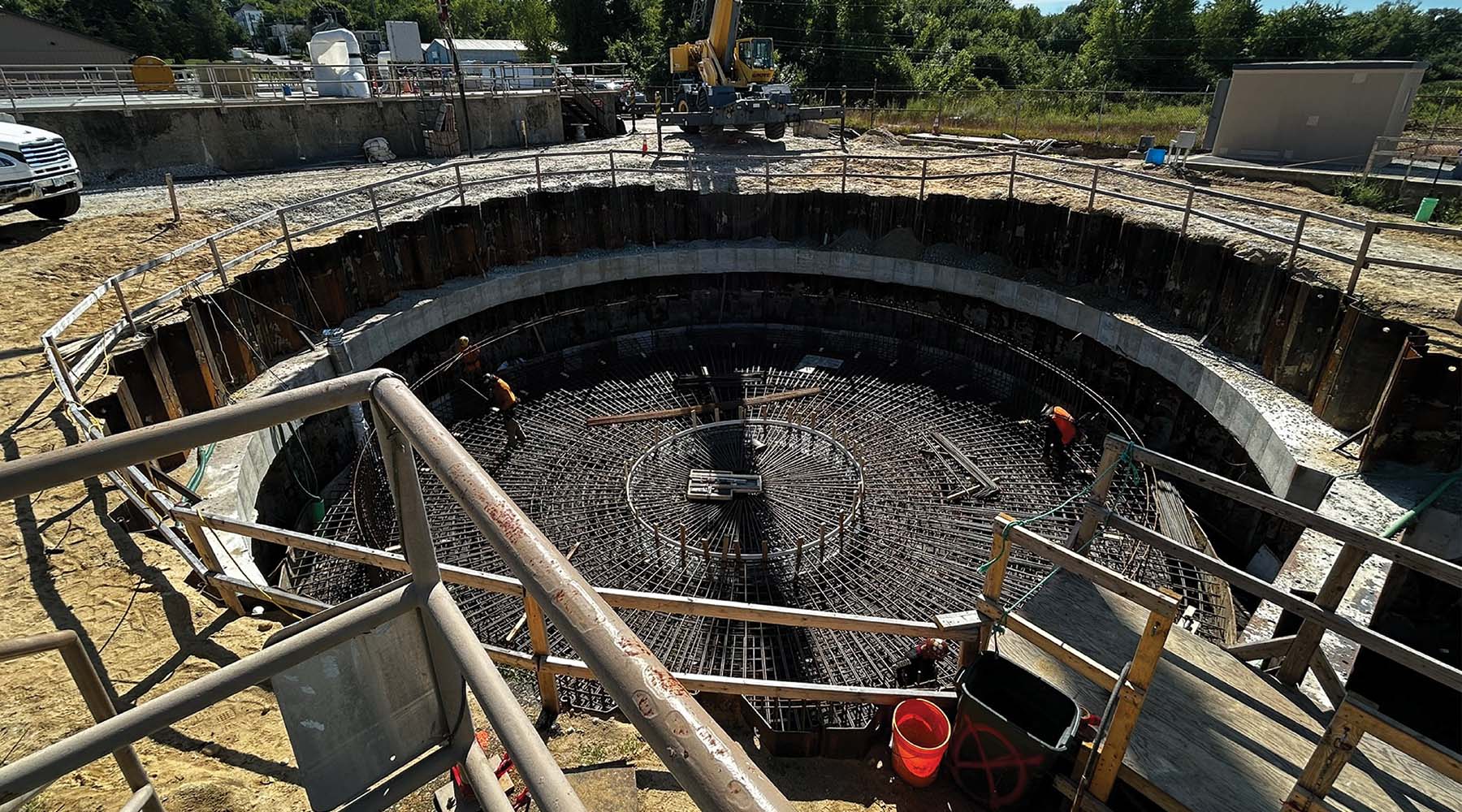
Potash Brook Flow Restoration Plan
Project Summary
Potash Brook and its watershed are located in Chittenden County, principally in the City of South Burlington, and encompass an area of approximately 7.13 square miles. Potash Brook was identified as not attaining water quality standards in accordance with Section 303(d) of the Federal Clean Water Act with the source of the impairment identified as excess stormwater runoff. In 2006, the EPA approved the flow based Potash Brook Total Maximum Daily Load (TMDL) which established targets for flow modification in the stream. The low flow target requires a 12.2% increase in stream flows during low flow conditions and the high flow target requires a 17.9% reduction in flows during the 1-year storm event.
In partnership with Watershed Consulting, Hoyle Tanner worked on a multi-phase stormwater planning effort to identify necessary stormwater Best Management Practices (BMPs) that could be implemented to achieve the flow restoration targets prescribed in the Potash Brook TMDL. Over 100 projects (new and retrofit) were conceptually identified and modeled with the intent of meeting the TMDL targets. The project required coordination with numerous private landowners and permitting authorities. As a component of the project, a detailed ranking matrix of proposed retrofit projects in Potash Brook and also City-wide was developed. The intent of this matrix was to identify the relative importance of each proposed stormwater project and to guide the City with project implementation timelines.
SERVICES
- Drainage Analysis
- Stormwater Treatment
- Hydraulic Analysis
- Regulatory Agency Coordination & Compliance
- Study
From the blog
Learn about ongoing projects and the innovative processes we employ for our clients.

Four Questions to Ask Before Developing Airport Hangars
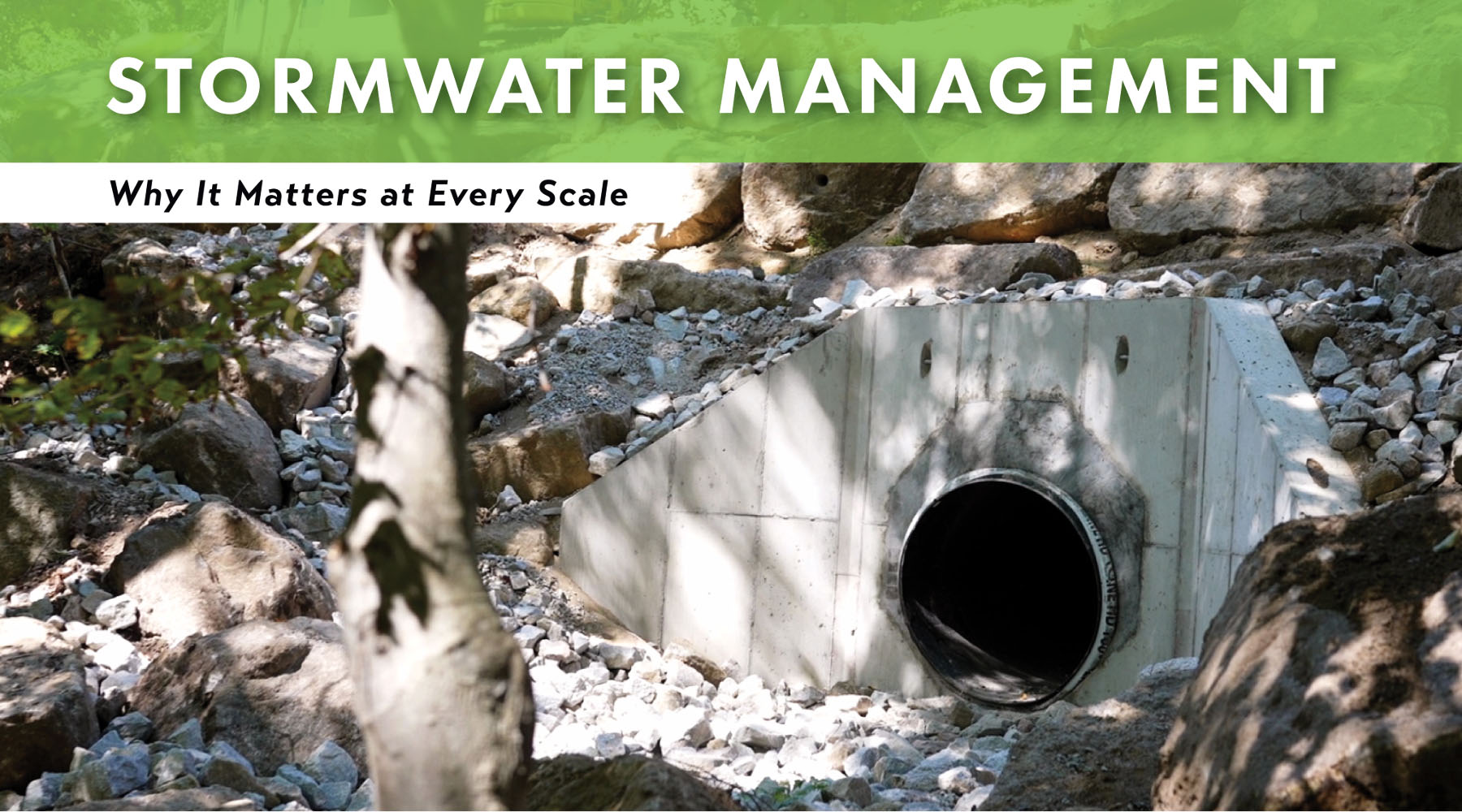
Understanding Stormwater Management: Why It Matters at Every Scale
Worcester-Elmore Route 12 Bundled Bridges Honored with NETWC Innovation Transformation Award

Employee Spotlight: Riley Pantalena

2026 October Employee Anniversaries
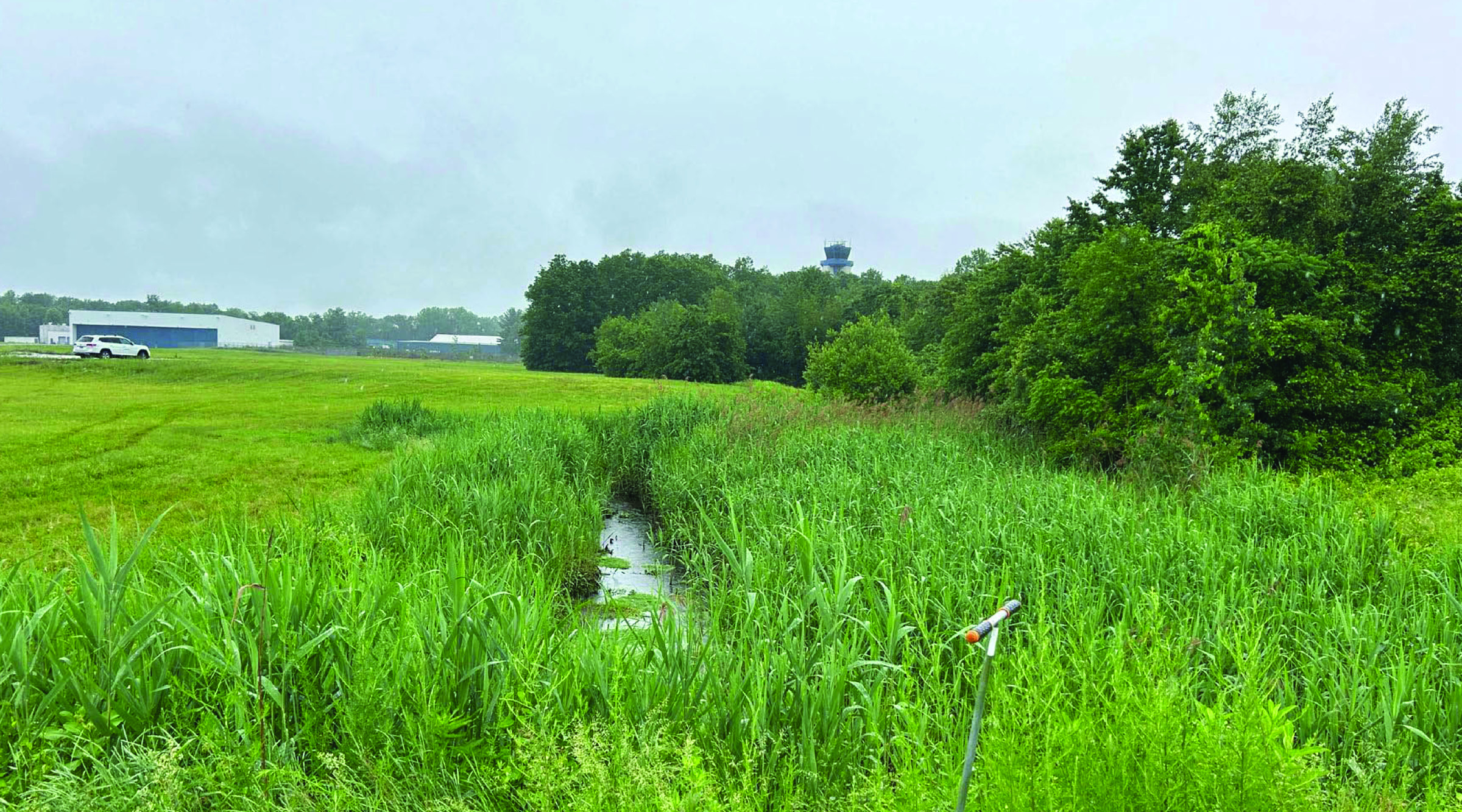
Designing a Safer & More Efficient Airfield at Bradley International Airport
Nicole Crawford Returns to Hoyle Tanner as Aviation Project Manager

Employee Spotlight: David Vitali