The Transport and Safety Section Manager at the Michigan Department of Transportation (MDOT) was quick to recognize the benefits of sUAS capability and the opportunity to advance the MDOT existing drone program. He arranged for Hoyle Tanner to spend three days training DOT employees on how to collect accurate obstruction data using drones as well as process that dta into meaningful deliverables. The information gathered in the sUAS flights was used to create detailed 3D models of the airport including tree height, pavement condition, ground contour elevations, and surrounding land development. Once collected, the data can be used to graphically depict airspace approach corridors that are not able to be seen with the naked eye. Obstructions are clearly shown protruding into protected airspace making it much easier for the airport and responsible landowners to agree on obstruction removal alternatives. With the proper coordination of sUAS data collection and software processing systems, “clearing the air” can be done economically, accurately, and efficiently.
SERVICES
Training
sUAS Data Collection
From the blog
Learn about ongoing projects and the innovative processes we employ for our clients.
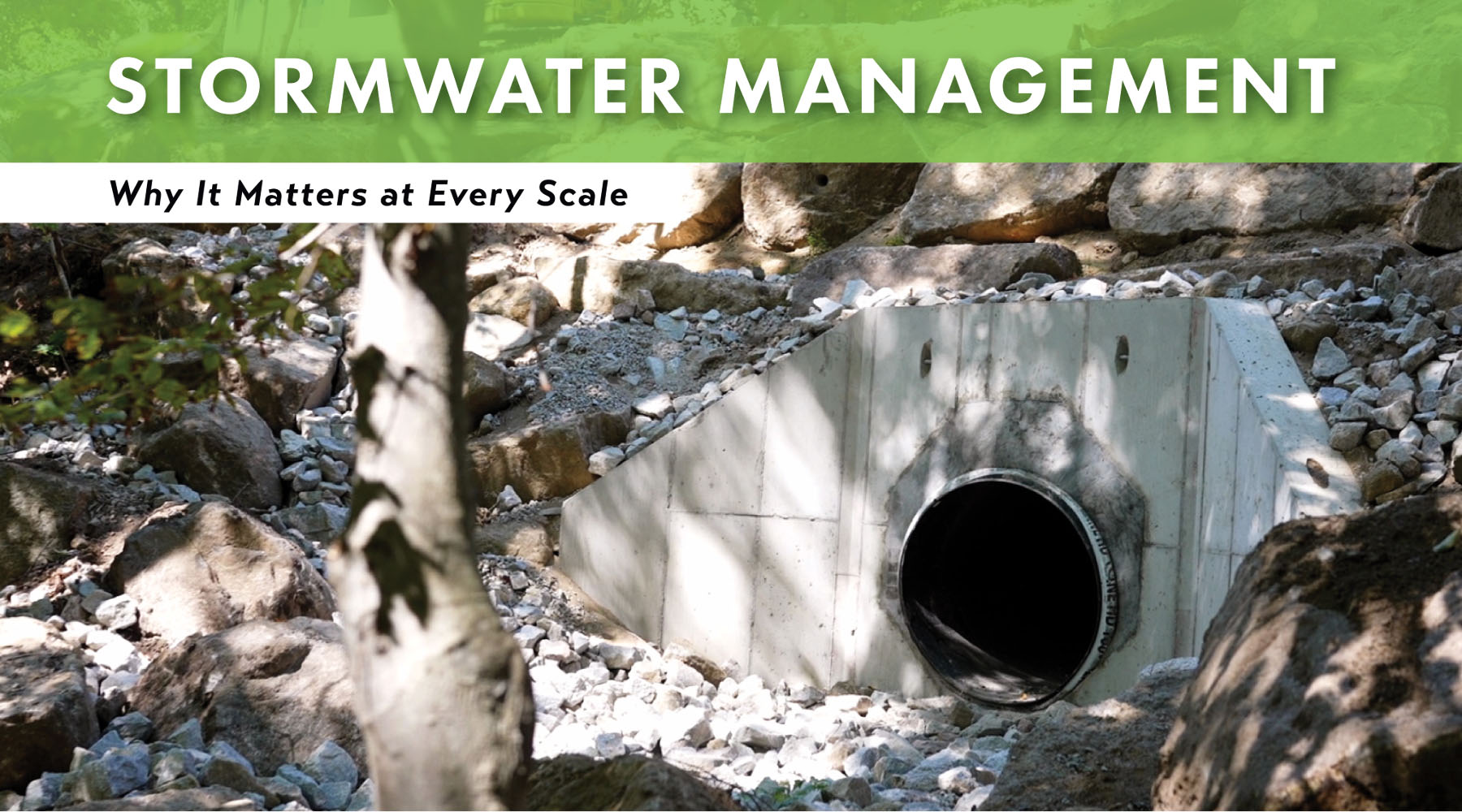
Stormwater is one thing people rarely think about until there is a problem. A flooded roadway, a washed-out culvert, standing water in a neighborhood, erosion along a streambank, or...
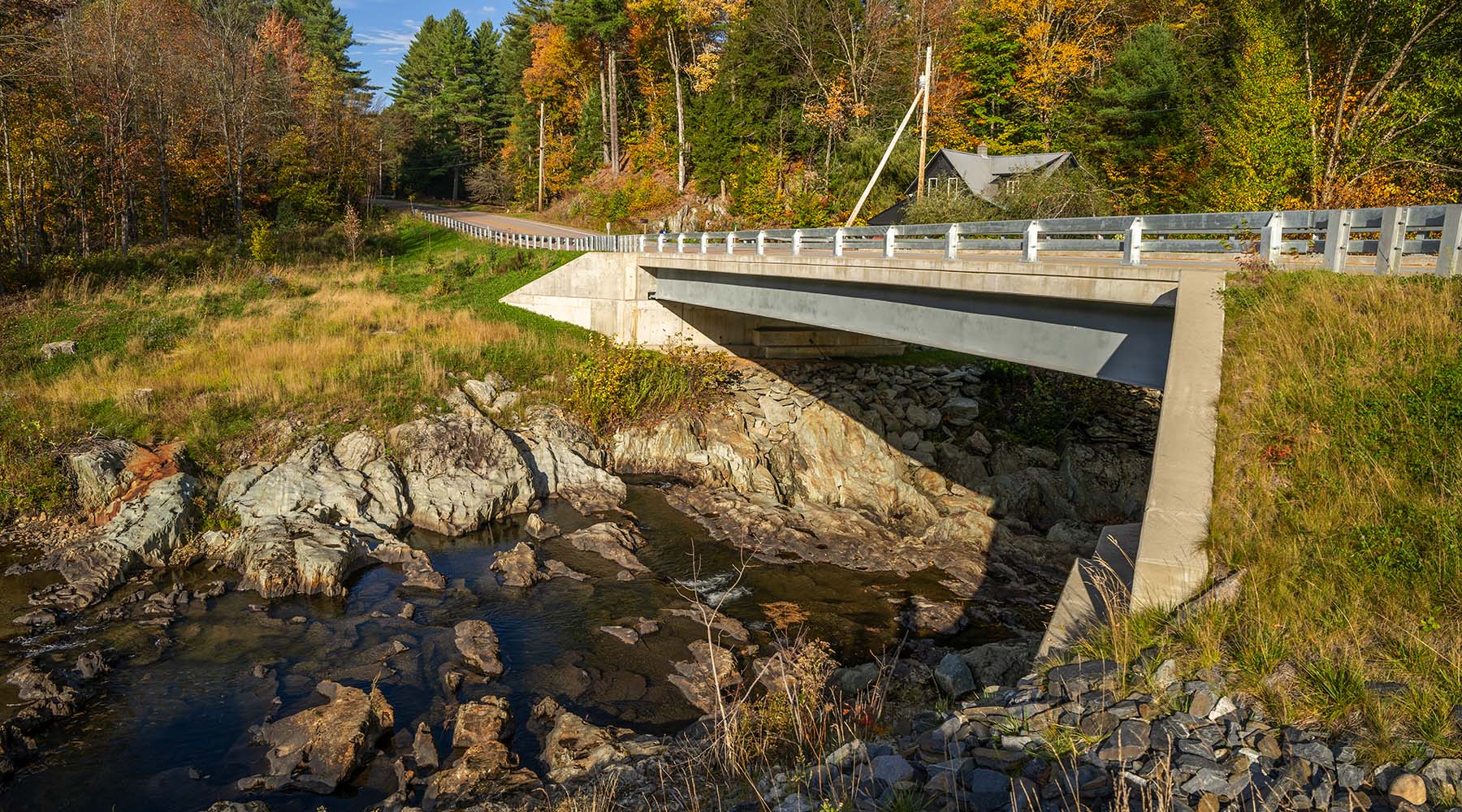
The Worcester-Elmore Route 12 Bundled Bridges Project has received the 2026 Northeastern Transportation and Wildlife Conference (NETWC) Innovation – Transformation Award. The recognition reflects an approach that treated bridge...
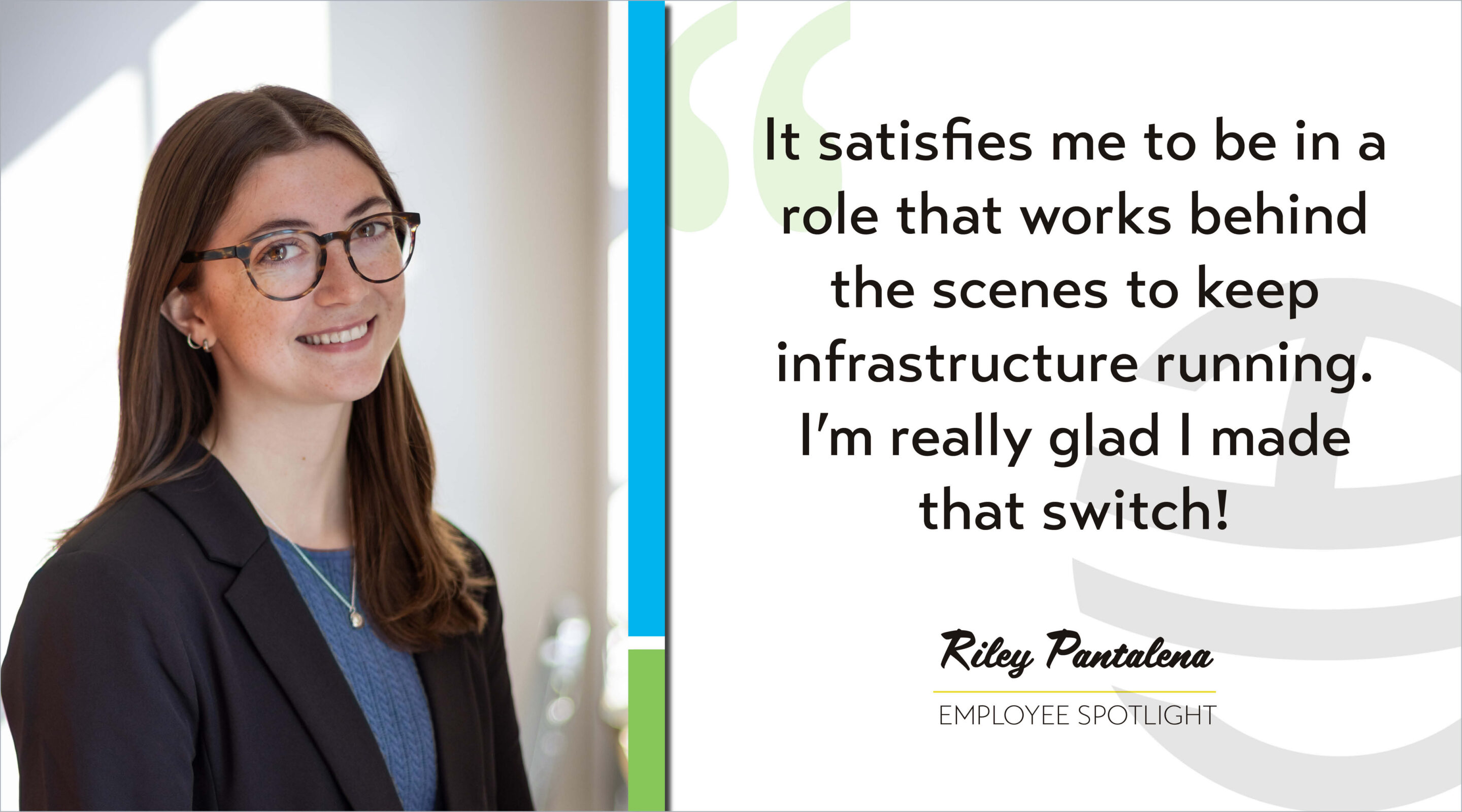
Meet Riley Pantalena – Airport Engineer & Irish Dancer What drew you to Hoyle Tanner? My decision to attend UVM in Burlington was definitely my starting point for ending up...
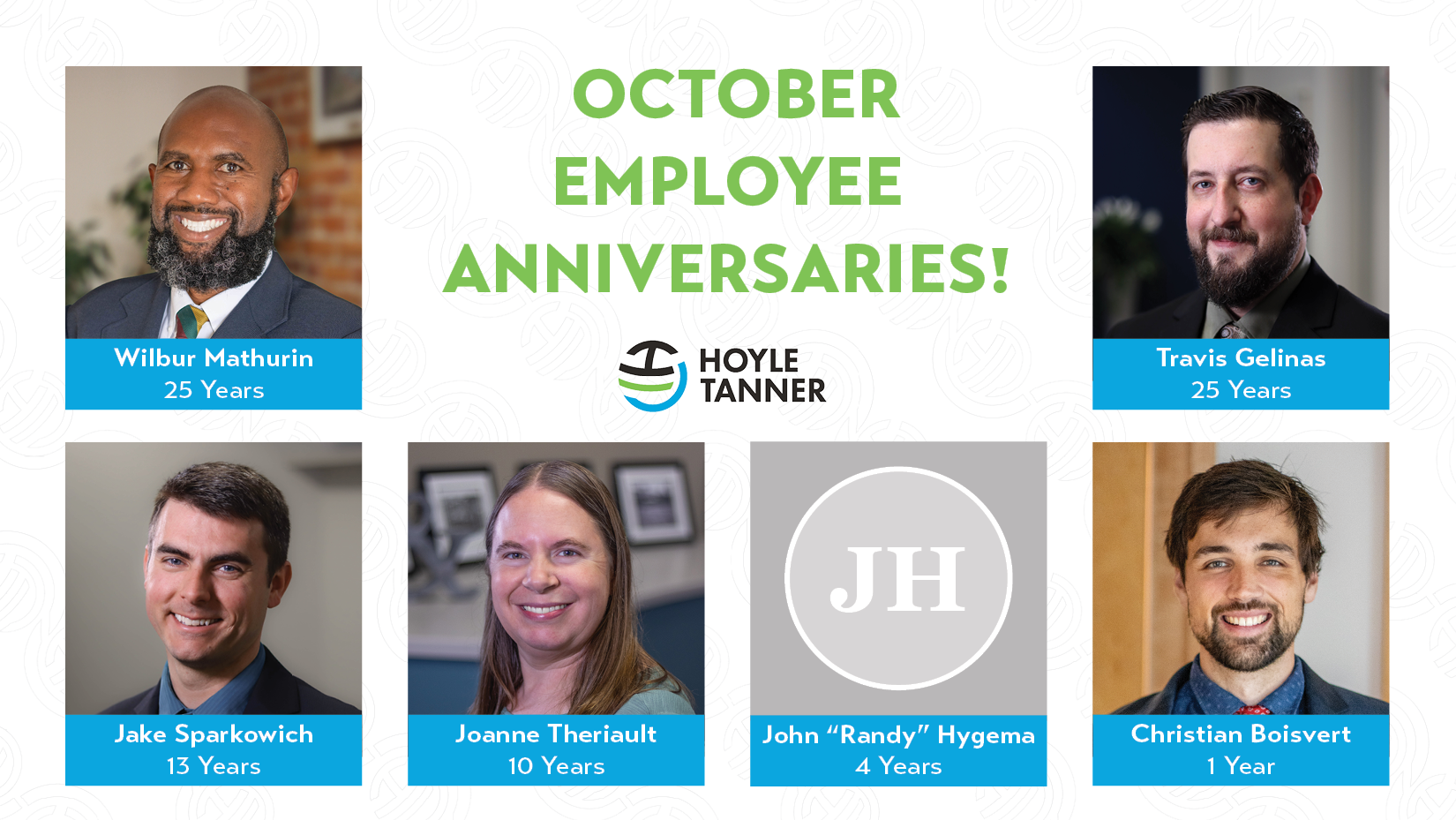
Join us in celebrating the employees marking work anniversaries this month. Together, they represent 78 years at Hoyle Tanner, bringing their experience, knowledge, and unique contributions to the firm every day.
As Bradley International Airport advances its long-term airfield improvement program, the Taxiway T extension is helping position the airport for safer and more efficient operations while supporting future growth....
We are excited to welcome back Nicole Crawford, PE to Hoyle Tanner as an Aviation Project Manager! Nicole brings more than 15 years of aviation and transportation engineering experience,...
Meet David Vitali, PE - Airport Engineer & Groove Alchemist What drew you to Hoyle Tanner? Ultimately, it came down to the people and how much the company values...
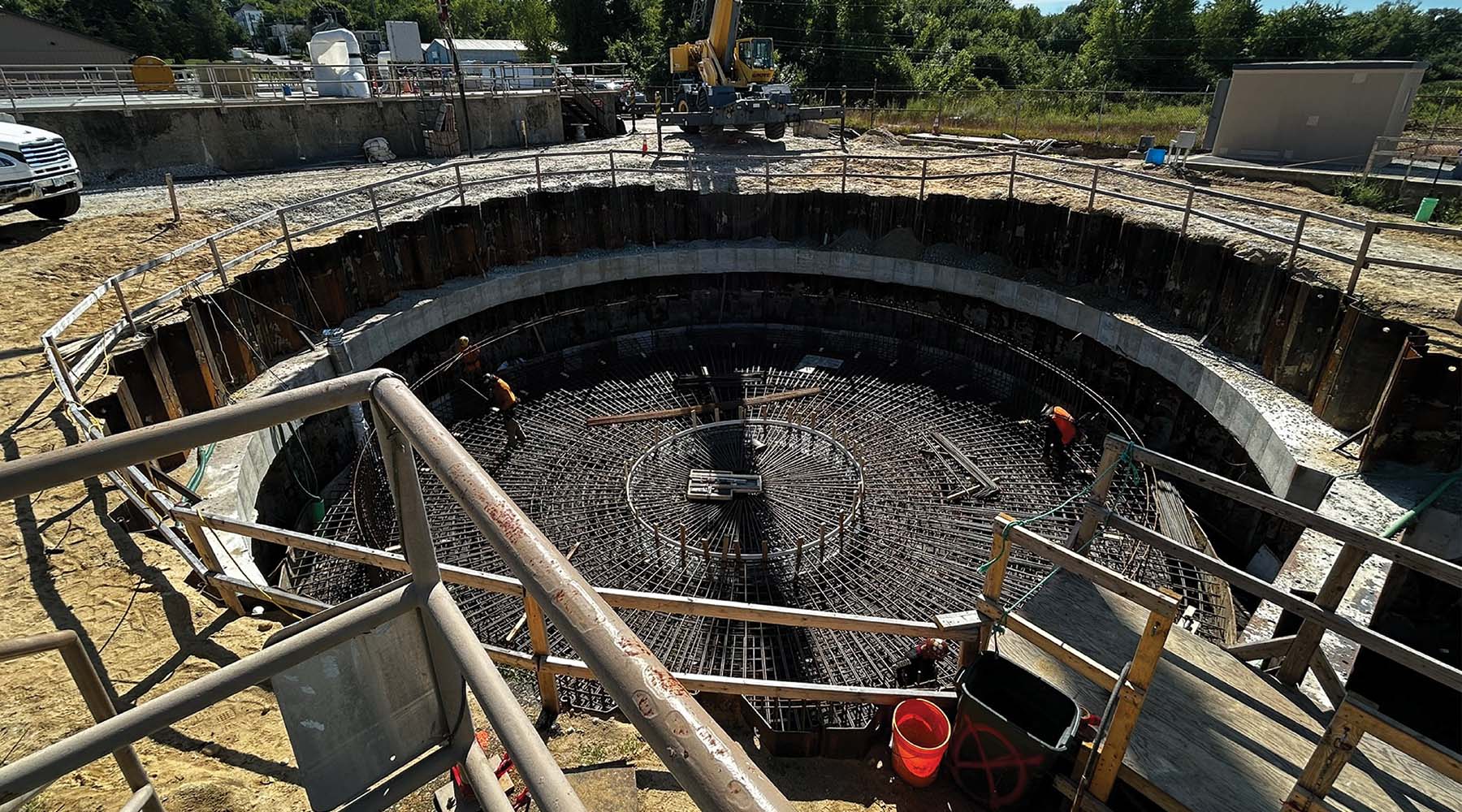
Protecting Water Quality for Two Communities & the Merrimack River Watershed Construction is underway on major improvements to the Allenstown Wastewater Treatment Facility, marking an important milestone in a...
Across New England, communities are managing the same underlying challenges: aging water and wastewater systems, increasing regulatory expectations, rising costs, and limited staff capacity to move projects forward. State...