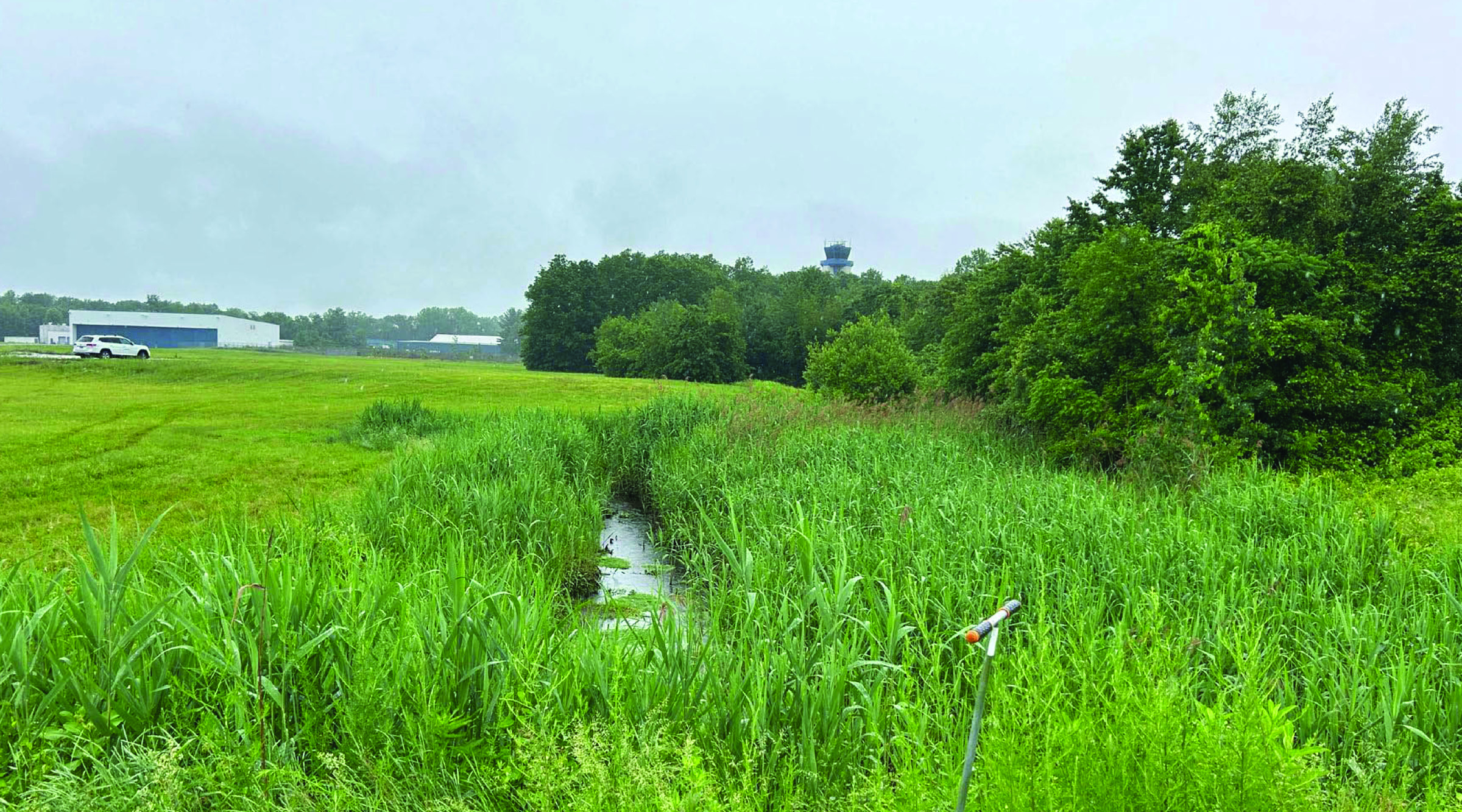
The construction for the extension of Runway 6-24 and Taxiway A was a culmination of years of planning and environmental permitting. Hoyle Tanner provided continual assistance to the City through the land acquisition process and the Environmental Assessment preparation necessary to complete the runway extension. Hoyle Tanner’s final runway design included a 1,401’ extension of the primary Runway 6 end; removal of a non-standard parallel Taxiway D; a 1,738’ extension of Taxiway A; rehabilitation and overlay of the existing runway; installation of PAPI-4 units on each end; installation of REIL units on each end; runway and taxiway marking; filling of an existing wet borrow pit in order to remove a wildlife hazard attractant and safety area establishment with bid alternates for a blast pad on each end.
SERVICES
Design
Permitting
Bid Process Administration
Construction Administration
Grant Administration
From the blog
Learn about ongoing projects and the innovative processes we employ for our clients.
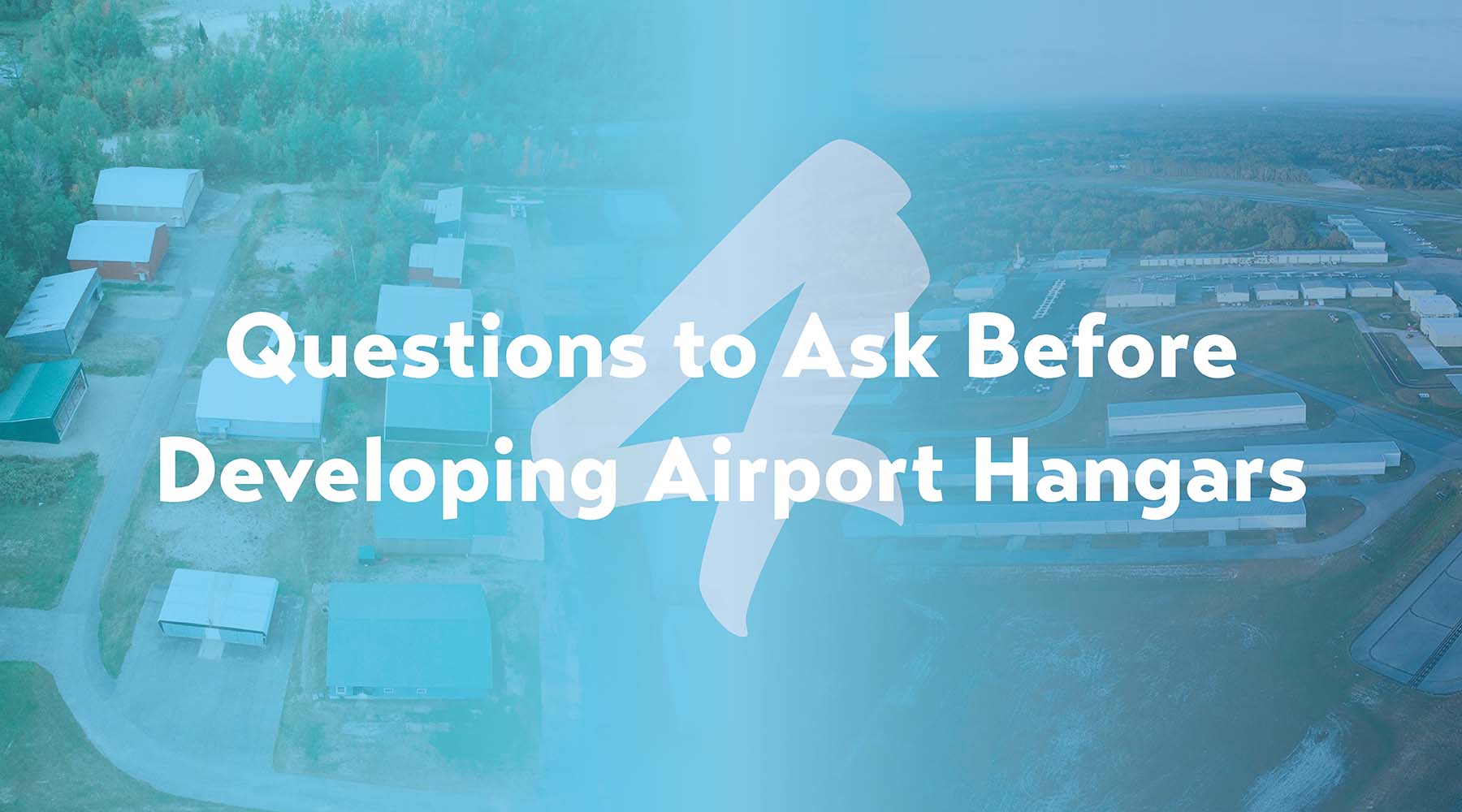
Demand for aircraft hangars is outpacing availability at many airports. According to the Aircraft Owners and Pilots Association (AOPA), 71 percent of airports across the country have reported a...
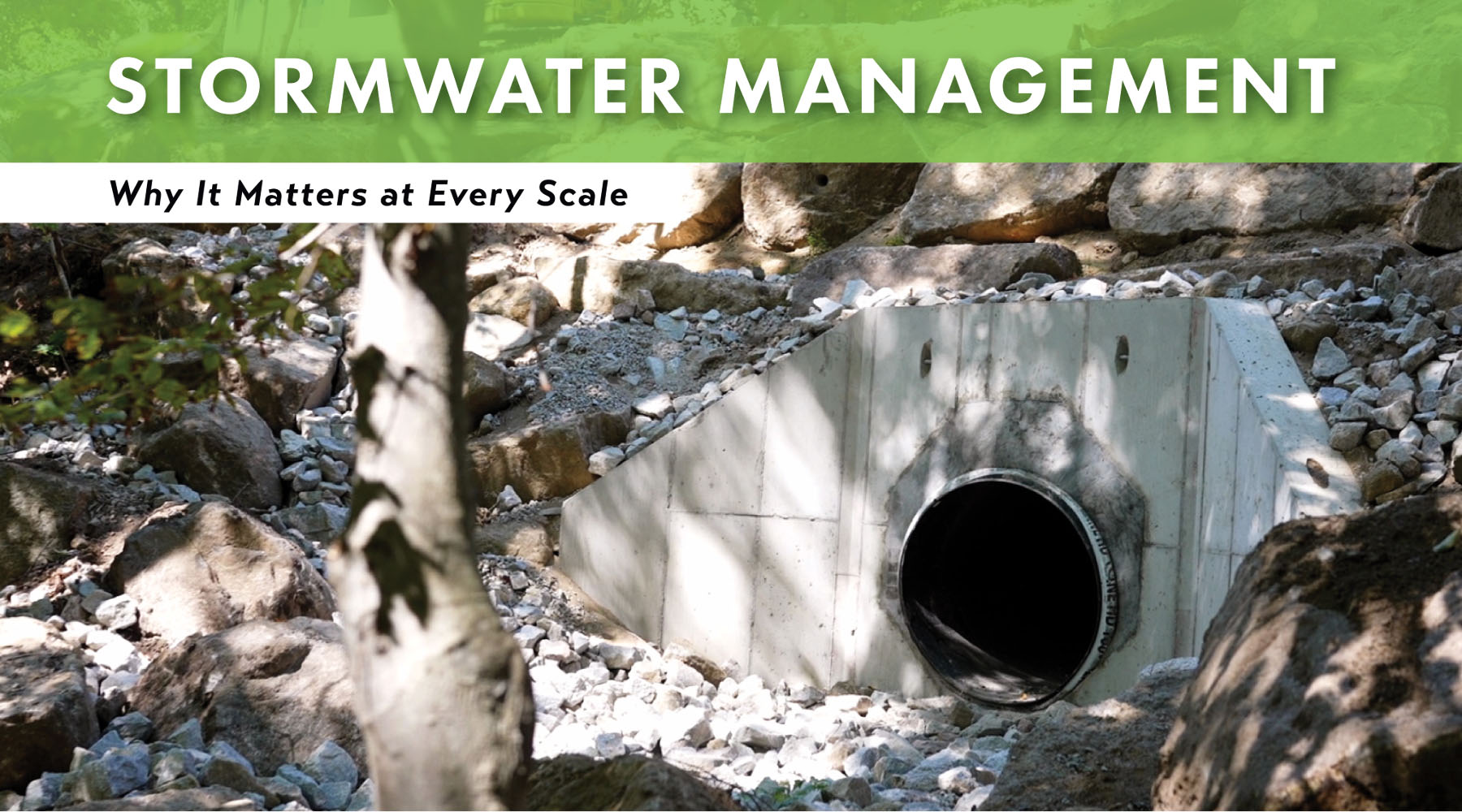
Stormwater is one thing people rarely think about until there is a problem. A flooded roadway, a washed-out culvert, standing water in a neighborhood, erosion along a streambank, or...
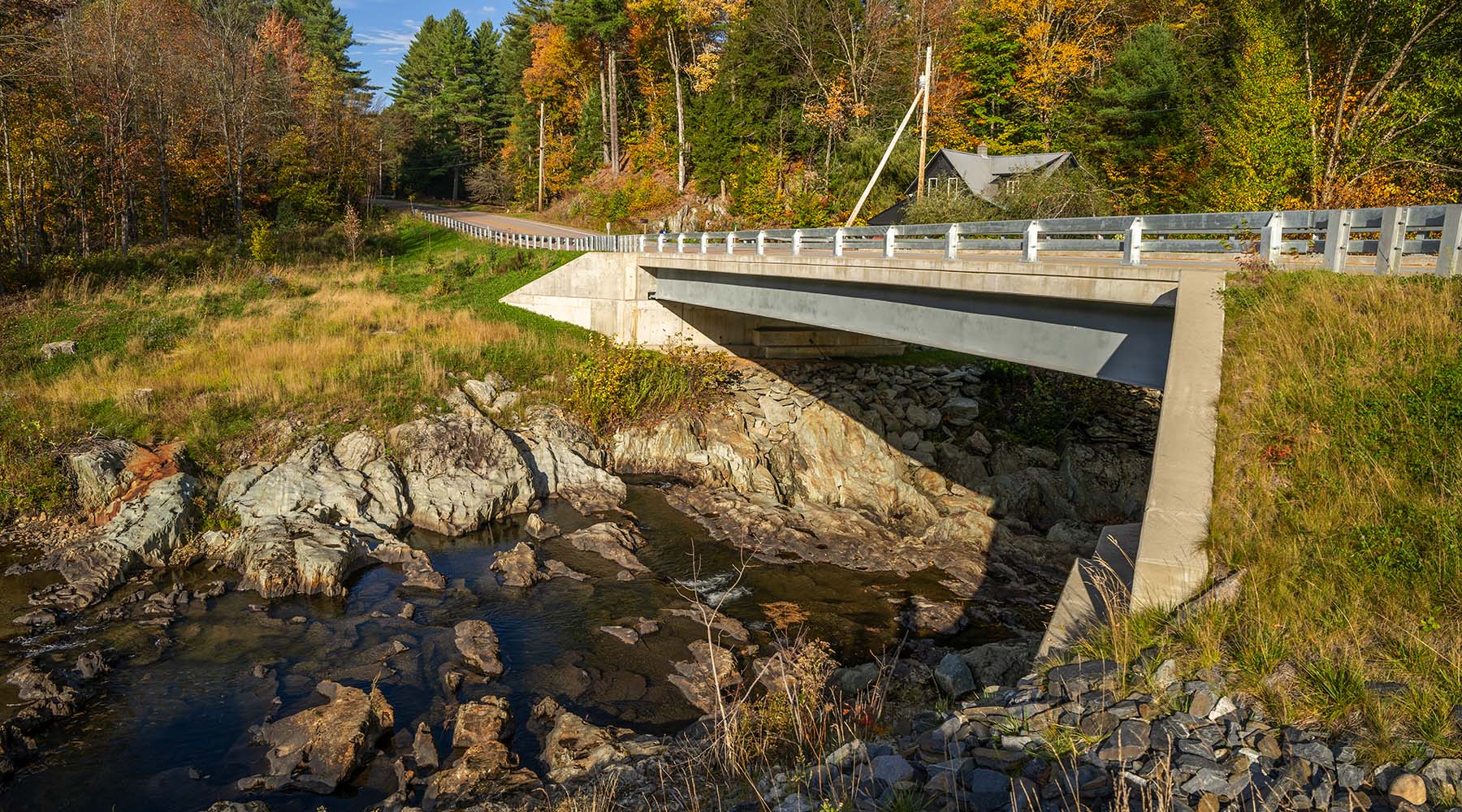
The Worcester-Elmore Route 12 Bundled Bridges Project has received the 2026 Northeastern Transportation and Wildlife Conference (NETWC) Innovation – Transformation Award. The recognition reflects an approach that treated bridge...
Meet Riley Pantalena – Airport Engineer & Irish Dancer What drew you to Hoyle Tanner? My decision to attend UVM in Burlington was definitely my starting point for ending up...
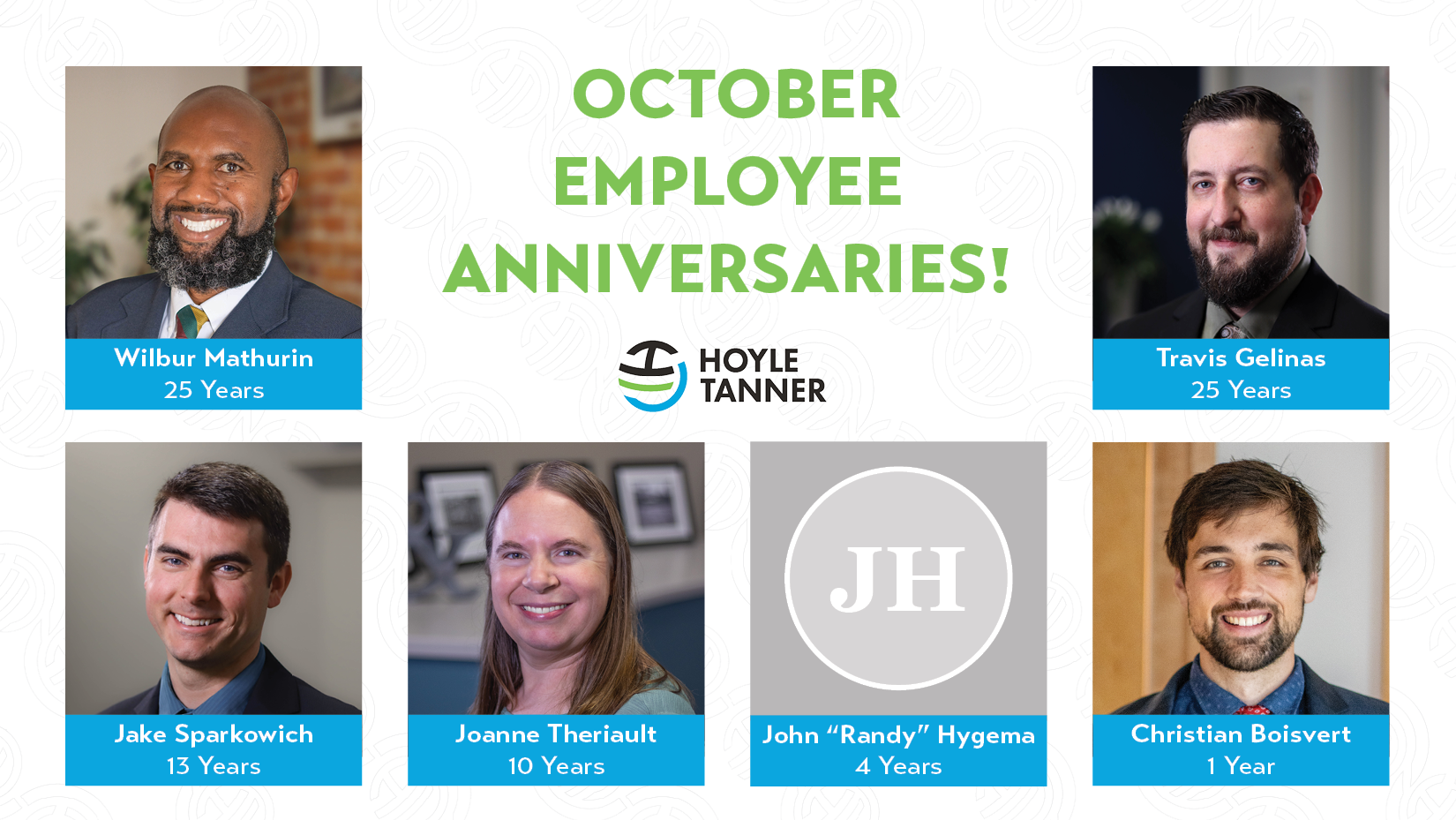
Join us in celebrating the employees marking work anniversaries this month. Together, they represent 78 years at Hoyle Tanner, bringing their experience, knowledge, and unique contributions to the firm every day.
As Bradley International Airport advances its long-term airfield improvement program, the Taxiway T extension is helping position the airport for safer and more efficient operations while supporting future growth....
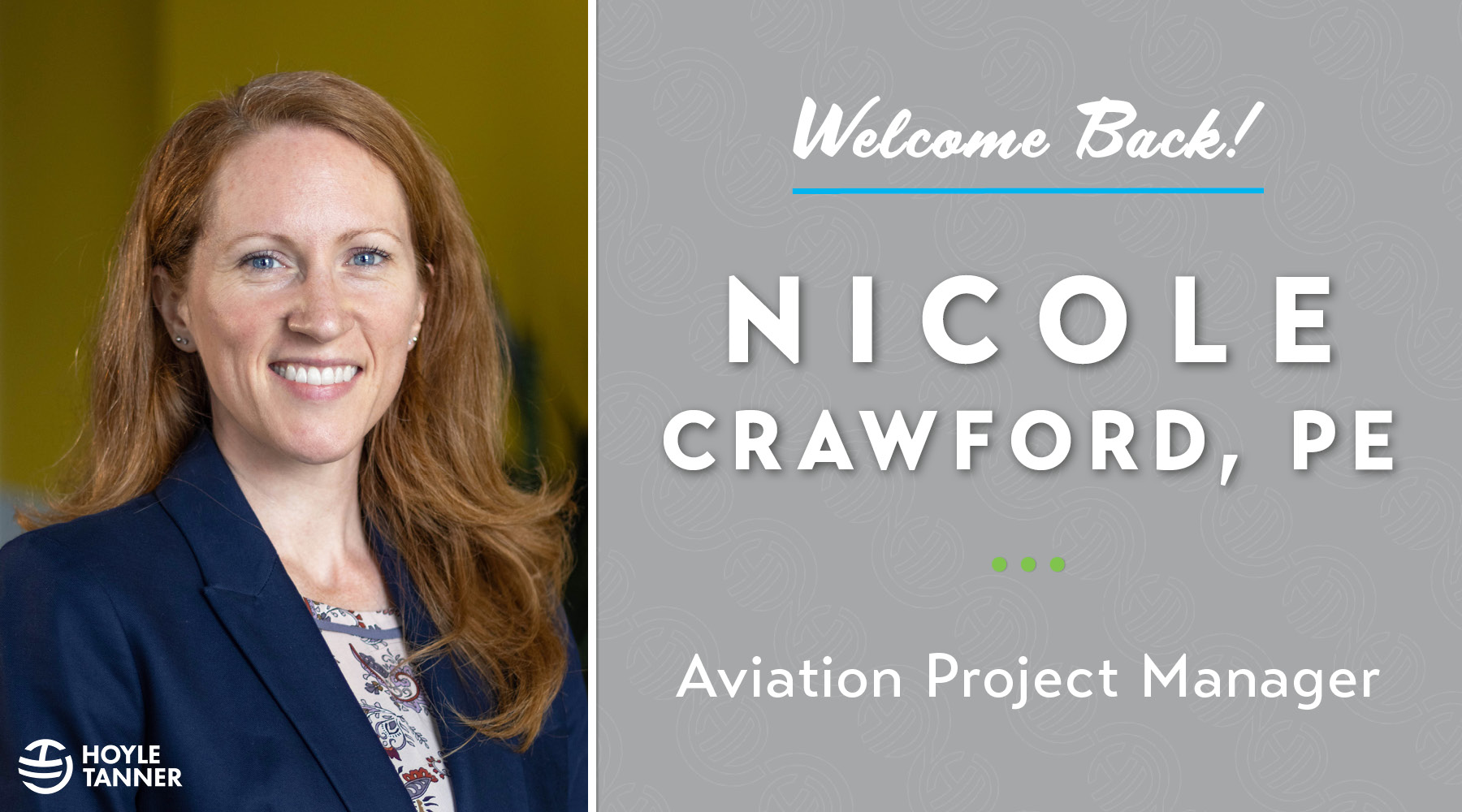
We are excited to welcome back Nicole Crawford, PE to Hoyle Tanner as an Aviation Project Manager! Nicole brings more than 15 years of aviation and transportation engineering experience,...
Meet David Vitali, PE - Airport Engineer & Groove Alchemist What drew you to Hoyle Tanner? Ultimately, it came down to the people and how much the company values...
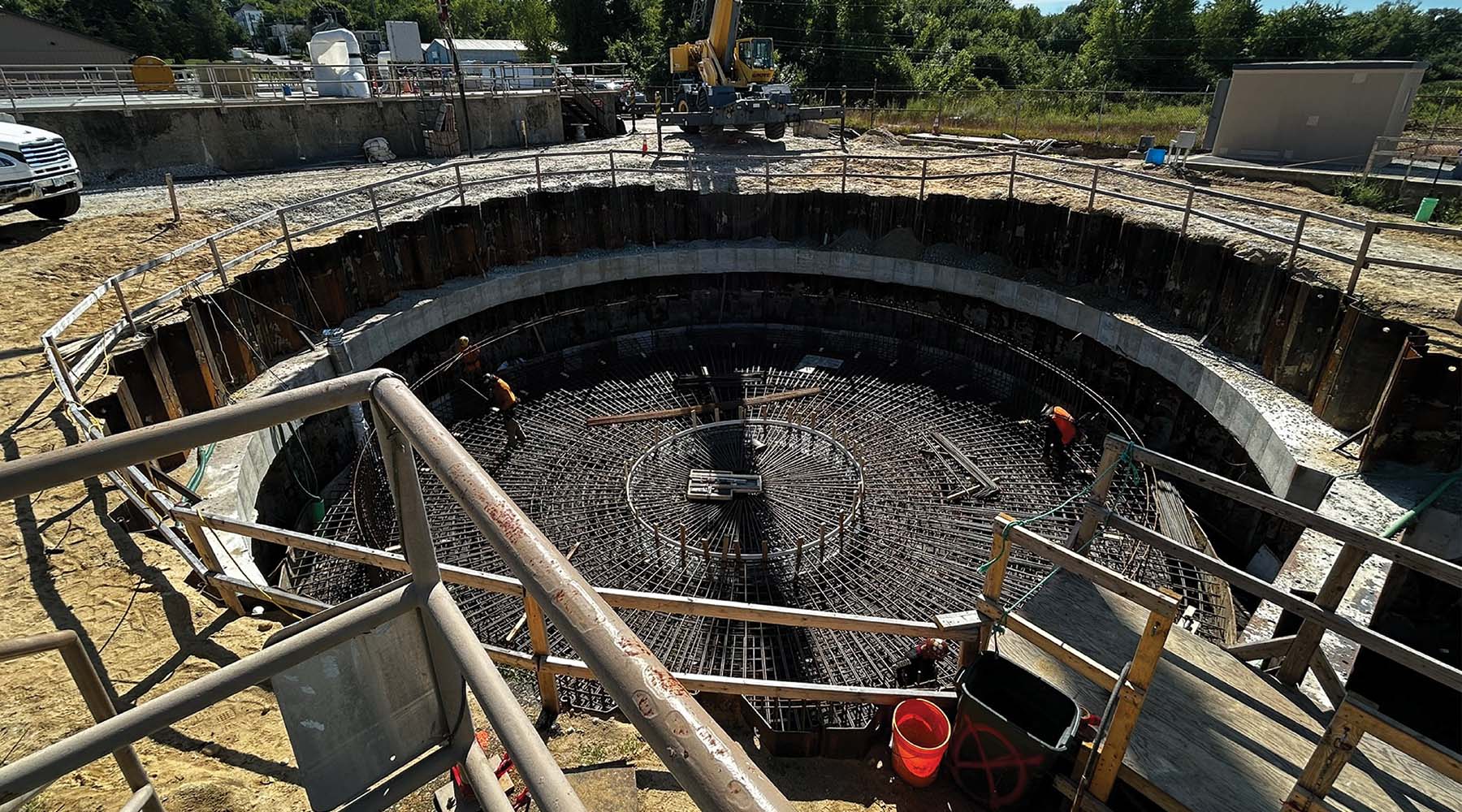
Protecting Water Quality for Two Communities & the Merrimack River Watershed Construction is underway on major improvements to the Allenstown Wastewater Treatment Facility, marking an important milestone in a...